Smartwatch vs Regular Watch
One is a device that needs charging and replacing. One is an object that does not.
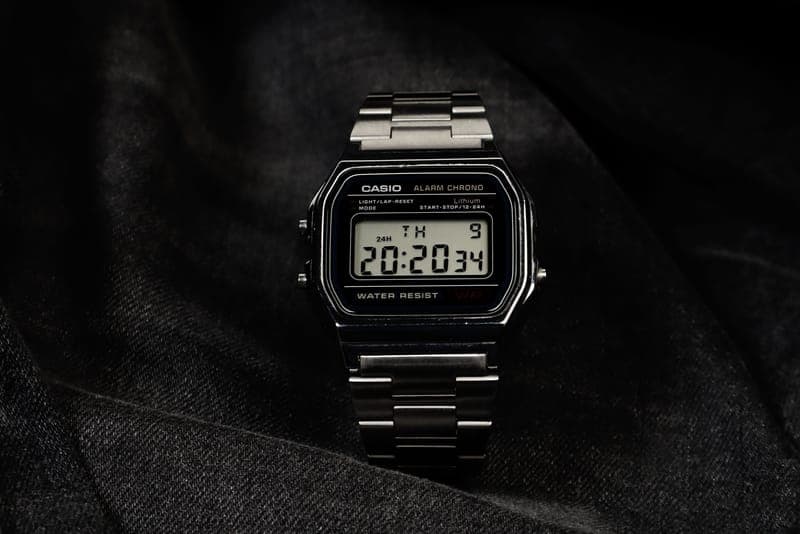
Buy a smartwatch if the person tracks their health or their running, and a regular watch if you want the gift to still be worn in ten years. That is the whole decision. A smartwatch is a small computer with a two-to-four-year useful life, a nightly charge and a phone it must be paired to. A regular watch is an object: nothing to charge, nothing to update, and no point at which it becomes unsupported.
For a gift specifically, the regular watch wins more often than the shop floor suggests, and the reason is that a smartwatch is a device purchase disguised as a present. Devices have opinions attached — which phone, which ecosystem, which features — and most people prefer to choose their own. A watch has none of that. Both cases are laid out below, with the picks that make each one work.
How this page is funded: if you buy through a link here we may earn a commission, at no extra cost to you. It never decides what makes a list or what order the picks are in. Full disclosure.
Quick picks
The whole list at a glance. Tap any row to jump to the full write-up further down the page, or go straight to the listing.
| # | Product | Best for | Price |
|---|---|---|---|
| 1 | Apple Watch SEOnly worth buying if they use an iPhone; pairs to nothing elseUnder $250 | An iPhone household | |
| 2 | Garmin Forerunner 55GPS, pace and distance; days of battery rather than hoursUnder $250 | Someone who actually runs | |
| 3 | 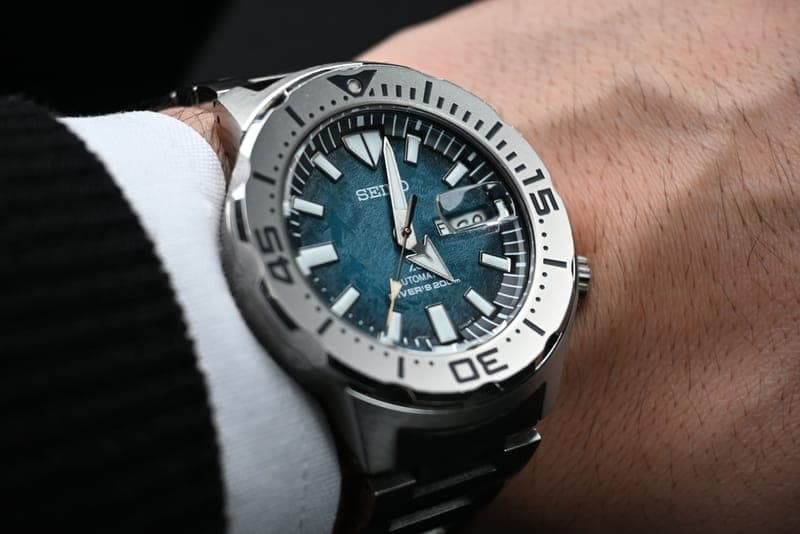 Seiko 5 Sports (SRPD series)Automatic, 100m water resistant; no charging, no obsolescenceUnder $250 | A regular watch at the same money | |
| 4 | 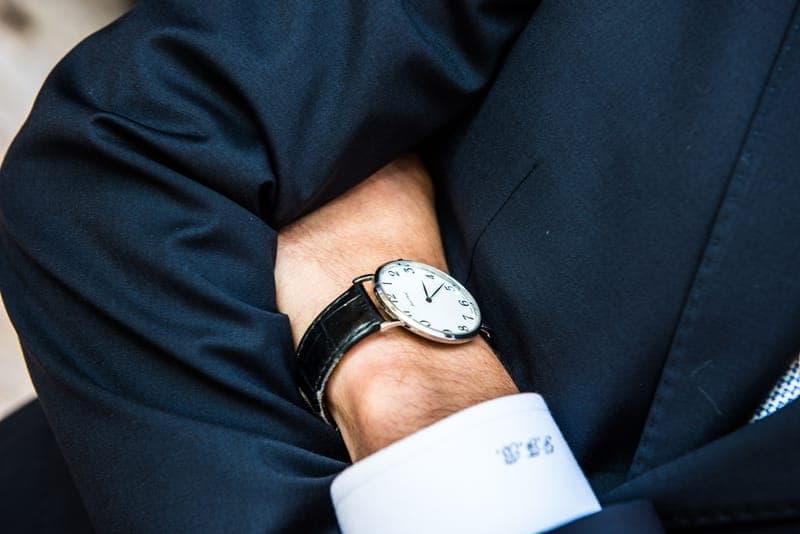 Citizen Eco-Drive CorsoRuns on light; quartz-accurate, nothing to charge or windUnder $200 | The middle ground nobody mentions |
We have not handled these products. Nobody here has worn, tested or owned them, and we will not pretend otherwise. What we do is check that each pick is still sold, still holds up and still makes sense as a gift at this budget. How we choose.
Side by side, in detail
Apple Watch SE
Apple
Apple's entry smartwatch: notifications, workouts, heart rate, fall detection and Apple Pay, paired to an iPhone.
The smartwatch to buy if, and only if, the recipient uses an iPhone — it pairs to nothing else, and an Apple Watch given to an Android user is an expensive paperweight. Within that condition it is the best version of the category: notifications, workouts, heart rate, fall detection and contactless payment, all set up in a few minutes. The honest caveats are the ones nobody mentions in the shop. It needs charging most nights, which is a new habit. It will be superseded, and in three or four years it will feel slow. And it reads as a gadget rather than a keepsake, which is the right thing for some recipients and the wrong thing for others.
What is good
- Genuinely useful every day, which almost nothing else at this money can claim
- Fall detection and emergency calling matter for an older recipient
- The default gift for a teenager who already lives inside an iPhone
What to know
- Requires an iPhone, so it is useless to an Android user
- Charges nightly, which some people never adapt to
Garmin Forerunner 55
Garmin
An entry-level GPS running watch with pace, distance, heart rate and suggested workouts, in a light plastic case.
The pick when the recipient runs, walks or trains with any seriousness, because this is the one case where a smartwatch is genuinely better than a watch rather than just more featureful. GPS pace and distance, heart rate and suggested workouts, in a light plastic case that is comfortable to sleep in. The practical advantage over a general-purpose smartwatch is battery: days rather than overnight, which means it survives a weekend away without a charger. It is less of a general device and more of a running tool, and that focus is why it is the better gift for a runner.
What is good
- Multi-day battery life, unlike a smartwatch that needs charging every night
- GPS pace and distance is exactly what a runner wants from a watch
- Light enough to sleep in for rest tracking
What to know
- A plastic sports look and a single-purpose watch
- Needs a phone app set up before it is useful
Seiko 5 Sports (SRPD series)
Seiko
Seiko's modern 5 Sports: a 100m water-resistant automatic in a diver-style case, with a day-date display and a movement that both hand-winds and hacks.
The direct answer to the smartwatch at a similar price, and the one to buy if you want the gift to be a gift rather than a device. An automatic movement is wound by the motion of the wrist, so there is nothing to plug in, and it both hand-winds and hacks, which means it can be set precisely and started from stopped without wearing it for an hour. It is rated to 100 meters, so it is fine in the shower and the sea. The trade is honest: it keeps mechanical time rather than atomic time, so it will drift by seconds a day, and in ten years that is still the only thing it will do differently.
What is good
- The default recommendation for a first serious mechanical watch, and has been for years
- 100m water resistance covers swimming
- Dozens of dial colors, so it can be matched to a taste
What to know
- The case wears larger than its stated diameter suggests
- Mechanical accuracy drifts by seconds a day — normal, but worth explaining
Citizen Eco-Drive Corso
Citizen
A slim steel dress watch powered by Citizen's Eco-Drive technology, which runs on any light and never needs a battery change.
The pick that resolves the whole argument for a lot of recipients. A light-powered quartz watch has the smartwatch's advantage of needing no winding and the regular watch's advantage of needing no charging: it runs on daylight through a window, keeps quartz-accurate time, and will not need a battery for the life of the watch. It is slim and dressy, so it works in the settings a sports smartwatch does not. Buy this when the person wants objects to simply work and then be invisible. The only thing to pass on is that it needs to see light occasionally — a year in a closed drawer stops it, and it restarts when it comes out.
What is good
- No battery replacement, ever — the single best feature for someone who hates maintenance
- Dress styling that works from the office to a wedding
- Keeps running in a drawer as long as it sees light now and then
What to know
- It needs light, so a watch shut in a dark box for months will stop
- Quartz, so it lacks what a collector is looking for
Side by side
| Smartwatch | Regular watch | |
|---|---|---|
| Charging | Most nights, or every few days | Never, or a battery every few years |
| Needs a phone | Yes, and usually a specific brand of phone | No |
| Useful life | Two to four years before it feels slow | Decades |
| Software updates | Required, and eventually they stop | None |
| Health and fitness data | Yes, this is the whole point | No |
| Works as a keepsake | Rarely — it gets replaced | Yes, including an engraved caseback |
| Formal settings | Reads as a gadget | Reads as a watch |
| Risk of buying wrong | High: ecosystem, size, features | Low: size is the only real variable |
The row that decides most gift purchases is the useful-life row. A smartwatch is bought in the knowledge that it will be replaced, which means the gift has an expiry date built into it. That is fine for a device somebody wants and wrong for a gift meant to mark something.
The ecosystem trap
This is the single most common way a smartwatch gift fails, and it is entirely avoidable. Smartwatches are tied to phones. An Apple Watch requires an iPhone and will not pair with an Android phone at all. Most other smartwatches work with both but lose features on one side. So the first question is not which watch, it is which phone — and if you do not know the answer with certainty, do not buy a smartwatch.
There is a second, quieter version of the same trap: the person may already be inside a different ecosystem by choice. Someone wearing a Garmin because it survives a week of hiking does not want an Apple Watch, and someone who has deliberately never worn a notification device on their wrist does not want one now. Both of those are preferences, not gaps to be filled.
When the smartwatch is clearly right
- They run, cycle, swim or train, and currently use a phone strapped to an arm to do it.
- They have mentioned wanting to track sleep, steps or heart rate — mentioned it themselves, unprompted.
- They are older and fall detection or an emergency call feature would genuinely matter to the household.
- They already own one and it is old. A replacement of something in daily use is a safe gift.
When the regular watch is clearly right
- The gift marks something: a graduation, a wedding, a retirement, a milestone birthday.
- You want it engraved. A caseback engraving on a device that will be replaced in three years is a sad object.
- They wear a watch now. Buying into a habit they already have is far safer than starting a new one.
- You are not certain which phone they use, or they have strong feelings about notifications.
If you are still undecided after those two lists, the light-powered quartz pick above is the honest compromise and not a cop-out: no charging, no winding, accurate, dressy, and nothing that becomes unsupported. It is the watch people end up happiest with when nobody knew which side of this argument they were on.
Sizing, the one variable on the regular side
A smartwatch is sized by case width and band length, and both are usually exchangeable. A regular watch is sized once, by case diameter, and getting it wrong is the main way a watch gift goes unworn. The short version: a slim wrist suits a case in the high thirties of millimeters or below, and a 42mm case on a genuinely narrow wrist looks borrowed. If the watch comes on a steel bracelet, assume links will need removing before it fits.
That is the whole sizing conversation for a gift. If you want the measurement-to-case-diameter table, it is on our sizing guide, and if the watch arrives too big there are three fixes depending on whether the problem is the bracelet, the strap or the case itself.
How these picks were chosen
We have not worn or handled any of these watches and we do not claim to. Each is checked for three things: that it is currently sold, that the specification matters to the gift rather than to a spec sheet, and that the caveats are stated in the same breath as the advantages. Nightly charging, ecosystem lock-in and mechanical drift are all mentioned above because they are the things a buyer finds out afterwards.
We never print prices and we do not publish star ratings we have not earned the right to give. Every pick links to its live listing, so the figure you see is today's.
Questions buyers ask
Should I buy a smartwatch or a regular watch as a gift?
A smartwatch if they track health or running and you know which phone they use. A regular watch if the gift marks an occasion, you want it engraved, or you want it still worn in ten years. A smartwatch has a two-to-four-year useful life built in.
What is the difference between a smartwatch and a regular watch?
A smartwatch is a small computer: it charges most nights, pairs to a phone, needs software updates and is eventually replaced. A regular watch needs no charging, no phone and no updates, and lasts decades.
Does an Apple Watch work with an Android phone?
No. It pairs only with an iPhone, so an Apple Watch given to an Android user is unusable. Confirm which phone the recipient uses before buying any smartwatch, because features vary by platform even on the ones that support both.
Is a smartwatch a bad gift?
Not bad, but risky. It carries ecosystem, size and feature opinions most people prefer to settle themselves, and it is a device purchase rather than a keepsake. It is a good gift for a runner, or as a replacement for one they already use.
What is the middle ground between the two?
A light-powered quartz watch. It never needs charging and never needs winding, keeps quartz-accurate time, and is dressy enough for settings a sports smartwatch is not. It is the usual answer when nobody is sure which side the recipient is on.
Read next
- Automatic vs quartz
The same decision one level down, on the regular-watch side.
- What size watch should you buy?
The wrist-measurement table, since size is the one real variable.
- Best watches under $500
The tier these sit inside, with the mechanical alternatives.
- Watch too big for their wrist?
The three fixes, if you have already bought one.