Automatic vs Quartz
One is a machine the wearer participates in. The other just works. That is the whole decision.
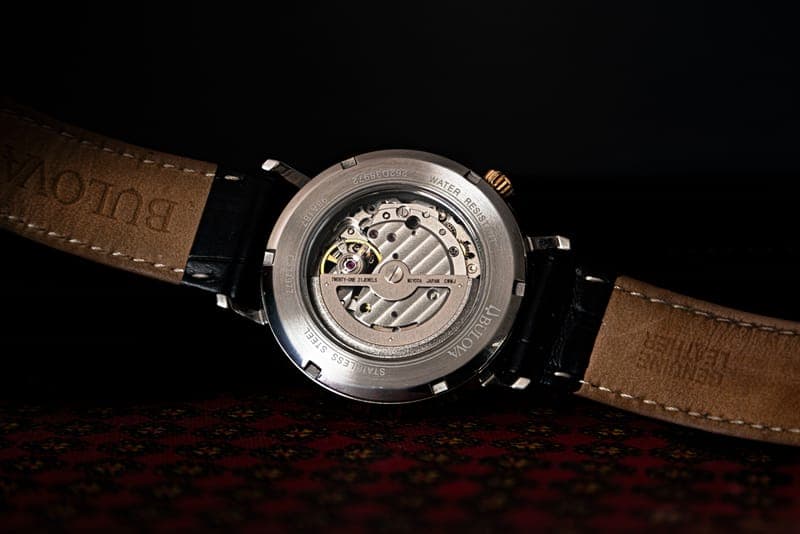
Here is the short version, in the terms that actually matter to a gift buyer. Quartz runs on a battery, keeps time to within seconds a month, and asks nothing of the wearer. Automatic is a mechanical machine wound by the movement of the wrist: no battery at all, but it drifts a few seconds a day and stops if it is not worn for a day or two.
Neither is better. They suit different people, and choosing the wrong one for a gift is the most common way a good watch ends up in a drawer. There is also a third option most comparisons skip, which is often the right answer for a gift — solar.
How this page is funded: if you buy through a link here we may earn a commission, at no extra cost to you. It never decides what makes a list or what order the picks are in. Full disclosure.
Quick picks
The whole list at a glance. Tap any row to jump to the full write-up further down the page, or go straight to the listing.
| # | Product | Best for | Price |
|---|---|---|---|
| 1 | 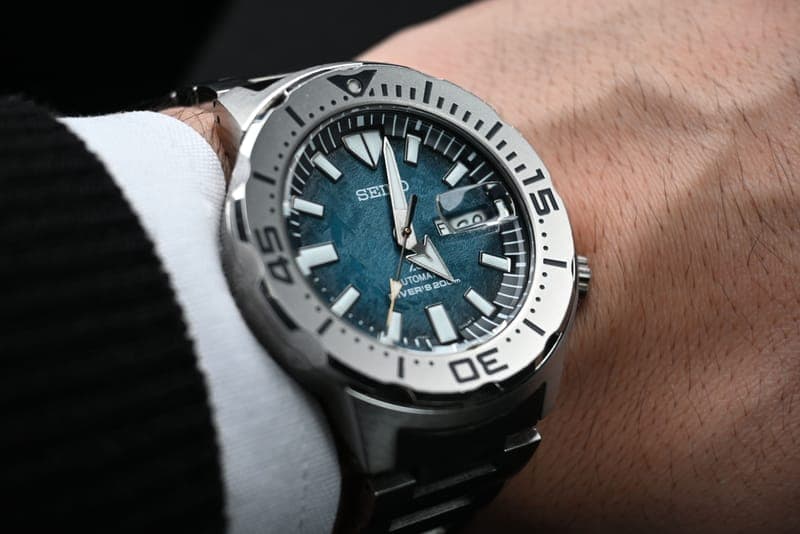 Seiko 5 Sports (SRPD series)The standard first mechanical; swimmable and hand-windableUnder $250 | The automatic to buy | |
| 2 | 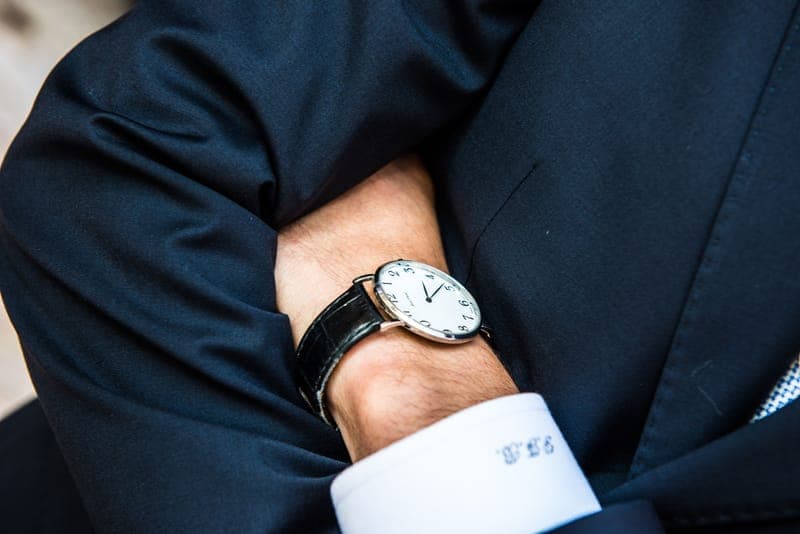 Seiko Essentials (SUR series)Dress looks, quartz accuracy, 100m water resistanceUnder $200 | The quartz to buy | |
| 3 | Citizen Eco-Drive CorsoNo battery ever, and it never stops from disuseUnder $200 | The third option most people actually want |
We have not handled these products. Nobody here has worn, tested or owned them, and we will not pretend otherwise. What we do is check that each pick is still sold, still holds up and still makes sense as a gift at this budget. How we choose.
The two watches, side by side
Seiko 5 Sports (SRPD series)
Seiko
Seiko's modern 5 Sports: a 100m water-resistant automatic in a diver-style case, with a day-date display and a movement that both hand-winds and hacks.
If the decision lands on automatic, this is the watch. It is the most recommended first mechanical watch there is, it hand-winds so it can be set going before wrapping, it hacks so it can be set precisely, and unusually for an automatic it is rated to 100 meters so it swims. The dial choice is wide enough to match a taste you already know. The caveats are the standard mechanical ones: a few seconds of drift a day and it stops after a weekend off the wrist.
What is good
- The default recommendation for a first serious mechanical watch, and has been for years
- 100m water resistance covers swimming
- Dozens of dial colors, so it can be matched to a taste
What to know
- The case wears larger than its stated diameter suggests
- Mechanical accuracy drifts by seconds a day — normal, but worth explaining
Seiko Essentials (SUR series)
Seiko
Seiko's quartz dress line: slim steel cases, clean dials, sapphire crystals on many references and 100 meters of water resistance.
If the decision lands on quartz, this is the most versatile answer: slim and formal-looking, quartz-accurate, and rated to 100 meters so it survives swimming — a combination most dress watches cannot manage. Many references have a sapphire crystal, which is the specification that decides how the watch looks after two years of desk knocks. Nothing to wind, nothing to reset, nothing to explain on the card.
What is good
- Quartz accuracy in a dress-watch shape — nothing to wind and nothing to reset
- Slim enough for a shirt cuff and tough enough for daily wear
- The Seiko name carries weight even with people who know nothing about watches
What to know
- Less romantic than a mechanical watch for an enthusiast recipient
- The reference numbers are confusing to shop — decide on the dial first
Citizen Eco-Drive Corso
Citizen
A slim steel dress watch powered by Citizen's Eco-Drive technology, which runs on any light and never needs a battery change.
Worth taking seriously, because when people say they want a watch with no battery, this often delivers exactly what they meant. Eco-Drive runs on light — daylight through a window is plenty — so there is no battery change for the life of the watch, no winding, and none of the stopping-after-a-weekend behavior of an automatic. It keeps quartz-accurate time. The only requirement is that it sees light occasionally.
What is good
- No battery replacement, ever — the single best feature for someone who hates maintenance
- Dress styling that works from the office to a wedding
- Keeps running in a drawer as long as it sees light now and then
What to know
- It needs light, so a watch shut in a dark box for months will stop
- Quartz, so it lacks what a collector is looking for
The three movements, side by side
| Quartz | Solar | Automatic | |
|---|---|---|---|
| Power source | Battery | Light | The wearer's movement |
| Accuracy | Seconds per month | Seconds per month | Seconds per day |
| Maintenance | A battery every few years | None | A service eventually, measured in years |
| Stops if unworn? | No | Only if kept in the dark for months | Yes, after a day or two |
| Needs setting often? | No | No | Yes, after any gap in wear |
| Sweeping seconds hand | No — it ticks once a second | No | Yes, a smooth sweep |
| Typical cost at the same quality | Lowest | Middle | Highest |
| Enthusiast appeal | Low | Low | High |
How to choose for someone else
There is one reliable test, and it is not about watches at all. Does the recipient own anything they maintain for pleasure — a bike they clean, a camera with manual settings, a coffee grinder, a guitar? People who enjoy the upkeep of an object enjoy an automatic, because it is a thing that asks for a little attention and rewards it.
If their instinct is that things should work and then be invisible, buy quartz or solar. This is not a judgment about either person — it is the best single predictor of whether a mechanical watch gets worn daily or ends up stopped in a drawer with the wrong date showing.
What the extra money buys with an automatic
Not accuracy — a twenty-dollar quartz watch keeps better time than a two-hundred-dollar automatic and always will. What it buys is the mechanism itself: no battery, a smooth sweeping seconds hand instead of a tick, often a window in the back so the movement can be watched, and the sense that the object is doing something rather than counting something.
For the right person that is worth a lot. For the wrong person it is worth nothing, and they will quietly prefer the cheaper watch that is always right. Being honest with yourself about which recipient you have is the entire value of this page.
The practical differences nobody mentions
Three things that come up in real ownership. An automatic that has sat idle needs the date resetting as well as the time, which on most watches means winding the hands forward through a full day or two — mildly tedious, and the reason many people stop bothering. A quartz watch will one day stop dead when the battery dies, usually at an inconvenient moment, and needs a trip somewhere. And a solar watch does neither, which is why it is underrated as a gift.
One more: mechanical watches are affected by magnetism, which can make them run fast until they are demagnetized. It is a cheap fix at a watchmaker, but it is a thing that happens, and it does not happen to quartz.
The verdict for a gift
For most gift buyers, quartz or solar. They win on every practical measure, they never need explaining, and the watch is always right when the recipient looks at it. If the choice is between a better-finished automatic and a well-made quartz watch at the same price, the quartz will be worn more.
Buy an automatic when you know the recipient wants one — because they have said so, or because they are visibly the kind of person who enjoys objects with mechanisms. Then set it running and write one line explaining the winding and the drift, and it will be a gift they still own in twenty years. We have not tested any of these watches; everything here is from published specifications and what owners consistently report.
Questions buyers ask
What is the difference between automatic and quartz?
Quartz runs on a battery and keeps time to within seconds a month with no input from the wearer. Automatic is mechanical, wound by the movement of the wrist, with no battery at all — but it drifts a few seconds a day and stops if it is not worn for a day or two.
Which is better for a gift?
Quartz or solar, for most recipients. They are always right, never stop and need nothing explained. Choose automatic when you know the person wants a mechanical watch and will enjoy what owning one involves.
Is automatic more accurate than quartz?
No, and it never will be. A cheap quartz watch is far more accurate than an expensive automatic. Accuracy is not why anyone buys mechanical — the mechanism is.
What is solar, and why is it not mentioned more?
A solar watch runs on light and never needs a battery replaced. It gives you the no-battery appeal of an automatic with quartz accuracy and none of the stopping. It is arguably the best movement for a gift and gets far less attention than it deserves.
How do you tell if someone would like an automatic?
Do they maintain anything for pleasure — a bike, a camera, a grinder, a guitar? If yes, they will enjoy an automatic. If their instinct is that objects should work and then be forgotten, buy quartz or solar.
Read next
- Best automatic watches under $200
If the answer is automatic.
- Best watches under $100
All quartz, and genuinely excellent.
- Casio Duro vs Seiko 5
This decision, applied to two specific watches.
- The watch gift buying guide
Movement is one of four decisions. Here are the others.
- Best watches for beginners
Why a first watch should usually be quartz.