How Long Do Watch Batteries Last?
Two to five years, usually. What shortens it, and the watches that never need one at all.
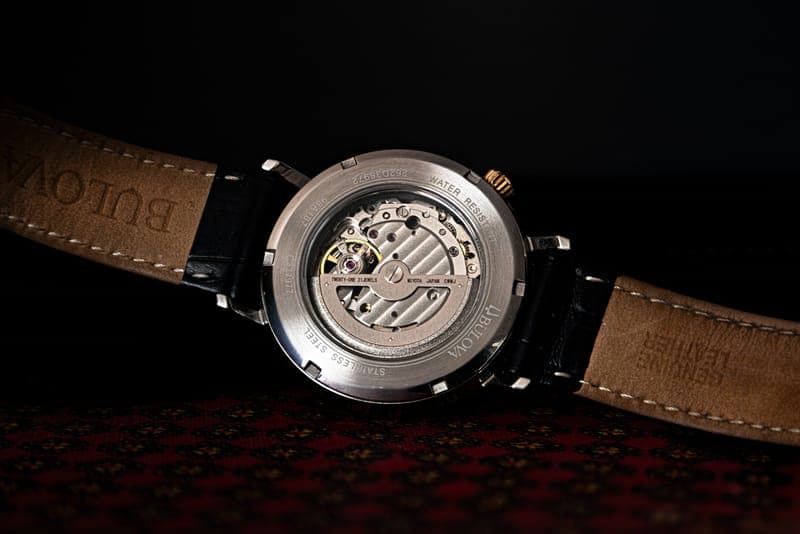
A standard quartz watch battery lasts two to five years. A simple digital watch like a Casio F-91W can run for seven to ten years, because a small display draws far less power than driving physical hands. A solar watch such as a Citizen Eco-Drive never needs a battery at all — its dial is a photovoltaic cell and the internal cell is designed to last the life of the watch. A mechanical or automatic watch has no battery in the first place. Which of those four a watch is matters more than any brand difference.
The reason to care is not the cost of a cell, which is trivial. It is the errand: a dead watch needs a trip to a jeweler, and that trip very often does not get made — which is how a perfectly good watch ends up stopped in a drawer for years. For a gift buyer that is the single most useful thing on this page, because it is avoidable at the point of purchase. Below: what shortens a battery's life, how to tell when one is failing, what a replacement should cost, and the picks that remove the problem entirely.
How this page is funded: if you buy through a link here we may earn a commission, at no extra cost to you. It never decides what makes a list or what order the picks are in. Full disclosure.
Quick picks
The whole list at a glance. Tap any row to jump to the full write-up further down the page, or go straight to the listing.
| # | Product | Best for | Price |
|---|---|---|---|
| 1 | 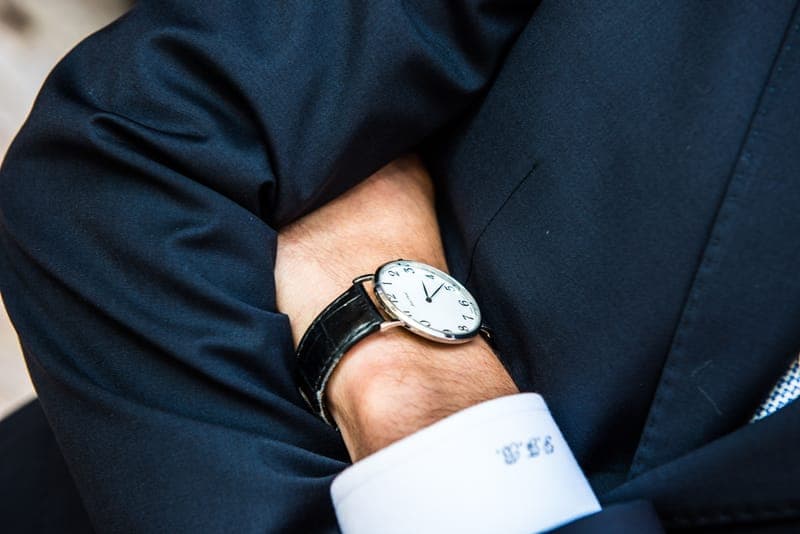 Citizen Eco-Drive CorsoThe dial is a solar cell; months of reserve in the darkUnder $200 | Never needs a battery at all | |
| 2 | 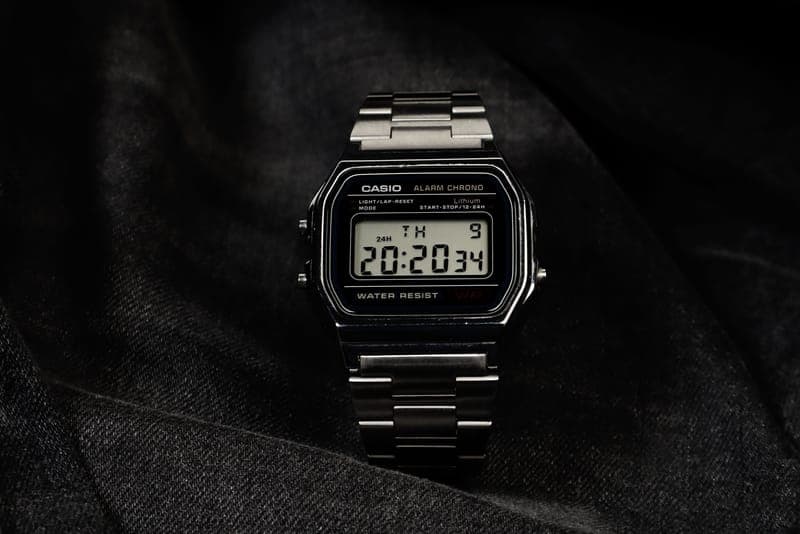 Casio F-91WA simple digital display draws almost nothing — years per cellUnder $25 | The longest battery life on any watch here | |
| 3 | 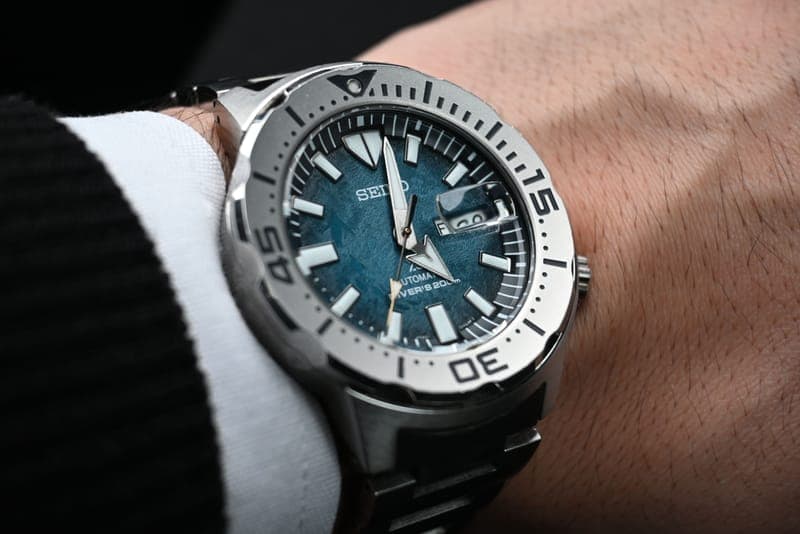 Seiko 5 Sports (SRPD series)Automatic — wound by wrist motion, powered by a mainspringUnder $250 | No battery because there is no electronics | |
| 4 | 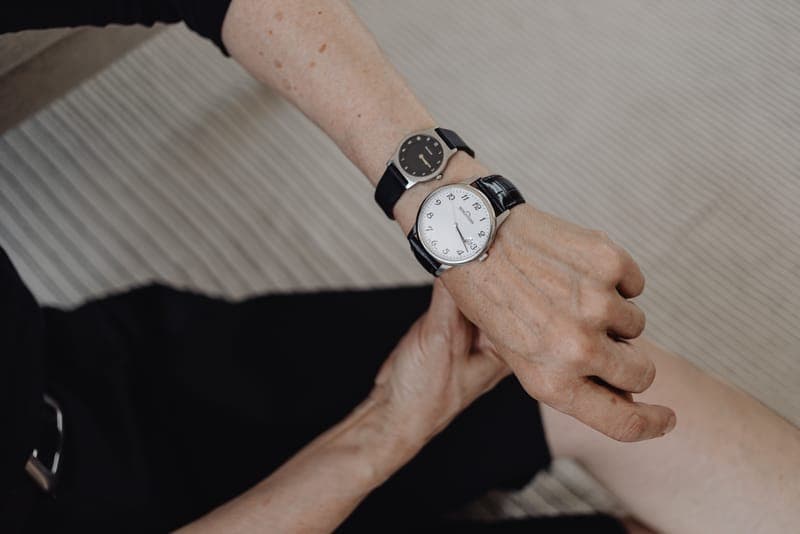 Citizen Eco-Drive women's dress watchEco-Drive in a slim dress case sized for a smaller wristUnder $200 | The same solution, for a smaller wrist |
We have not handled these products. Nobody here has worn, tested or owned them, and we will not pretend otherwise. What we do is check that each pick is still sold, still holds up and still makes sense as a gift at this budget. How we choose.
What to buy, if you have decided
Citizen Eco-Drive Corso
Citizen
A slim steel dress watch powered by Citizen's Eco-Drive technology, which runs on any light and never needs a battery change.
The pick that removes the problem rather than reducing it, and the right answer for most gift buyers who have read this far. Eco-Drive means the dial itself is a photovoltaic cell: ordinary indoor light charges it, daylight through a window charges it faster, and it holds months of reserve in complete darkness. There is no cell to replace, no jeweler visit, and no chance of the watch being found stopped two years after it was given. The Corso is the dress-leaning version — plain legible dial, steel case, a date, proportions that work under a cuff — so it is also simply a good watch rather than a technology demonstration. Two honest caveats: it is quartz, so there is no mechanical appeal, and it does need to see light occasionally. Many months shut in a closed box will stop it.
What is good
- No battery replacement, ever — the single best feature for someone who hates maintenance
- Dress styling that works from the office to a wedding
- Keeps running in a drawer as long as it sees light now and then
What to know
- It needs light, so a watch shut in a dark box for months will stop
- Quartz, so it lacks what a collector is looking for
Casio F-91W
Casio
The thin resin digital watch Casio has sold, essentially unchanged, since 1989. Time, date, alarm, stopwatch, backlight.
The pick that illustrates why the type of watch matters more than the brand of cell. The F-91W runs for the better part of a decade on one battery, for a simple reason: a small segment display consumes a tiny fraction of the power needed to physically move hands around a dial. There is no clever engineering involved, just a lower demand. For a gift it is honest and cheap: a stopwatch, an alarm, a backlight, almost no weight on the wrist, and a battery you will likely forget about entirely. It is not an impressive object. The display is small enough that reading it needs a deliberate look, the thin resin strap will crack eventually, and when the battery finally does go the watch costs so little that replacing the whole thing is a reasonable option.
What is good
- Weighs so little that people who say they hate watches forget it is on
- Battery life is measured in years, not months
- Genuinely hard to damage, which makes it a safe gift for anyone rough on things
What to know
- The resin strap looks exactly as inexpensive as it is
- Splash-resistant only, so it is not a swimming watch
Seiko 5 Sports (SRPD series)
Seiko
Seiko's modern 5 Sports: a 100m water-resistant automatic in a diver-style case, with a day-date display and a movement that both hand-winds and hacks.
The pick for somebody who wants to sidestep batteries by going backwards rather than forwards. An automatic watch has no battery and no electronics: a weight rotates as the wrist moves, winds a mainspring, and the spring drives the hands. Worn daily, it simply runs, and the only maintenance is a service every several years. The 5 Sports is the most giftable version — a genuine in-house Seiko automatic, 100 meters of water resistance, dozens of dial colors, and it both hand-winds and hacks so it can be set precisely. The trade-offs are real and worth stating when you hand it over: it stops after a day or two off the wrist and needs resetting, and it drifts by a few seconds a day rather than a month, which is normal for every mechanical watch.
What is good
- The default recommendation for a first serious mechanical watch, and has been for years
- 100m water resistance covers swimming
- Dozens of dial colors, so it can be matched to a taste
What to know
- The case wears larger than its stated diameter suggests
- Mechanical accuracy drifts by seconds a day — normal, but worth explaining
Citizen Eco-Drive women's dress watch
Citizen
Citizen's women's Eco-Drive line: small cases, two-tone or single-tone bracelets, light-powered so no battery is ever needed.
The pick when the recipient is the person this page's problem affects most — somebody whose dress watch comes out a few times a year and is therefore always found stopped. This is the same Eco-Drive technology in a slimmer two-tone dress case proportioned for a smaller wrist, so the no-battery advantage arrives in a watch that actually fits. The gift logic is the same and it is strong: a watch worn occasionally is the worst possible candidate for a battery, because the cell dies silently during a long gap and the watch is dead at exactly the moment it is wanted. The caveats match the Corso's: quartz, so no mechanical interest, and it needs to see light from time to time rather than living permanently in a jewelry box.
What is good
- Never needs a battery, which removes the most common reason a gifted watch ends up in a drawer
- Case sizes designed for a narrower wrist rather than scaled-down men's watches
- Two-tone finishes work alongside both gold and silver jewelry
What to know
- Bracelets usually need links removed to fit
- Needs periodic light exposure to stay charged
How long each kind of watch runs
| Watch type | How long | What it needs |
|---|---|---|
| Simple digital quartz | 7 to 10 years | One cell, eventually |
| Standard analog quartz | 2 to 5 years | A cell every few years |
| Quartz chronograph | 1 to 3 years | A cell more often — the chronograph draws power |
| Solar / Eco-Drive | The life of the watch | Light. Nothing else |
| Automatic / mechanical | No battery | Wrist motion, and a service every several years |
| Smartwatch | About a day | A charge every night |
The chronograph row is the one that catches people out. A quartz chronograph is driving extra hands and extra sub-dials, and if the stopwatch is actually used it draws noticeably more power — so a handsome quartz chronograph can need a new cell every eighteen months, which is the shortest interval of any conventional watch.
What shortens a watch battery's life
- Using the chronograph. Running the stopwatch is the single most power-hungry thing a quartz watch does.
- The backlight. A dial light is cheap to use occasionally and expensive if someone presses it constantly.
- Extra hands and complications. A date, a day, a 24-hour hand and sub-dials all draw more than a plain three-hander.
- Cold. Battery chemistry slows in low temperatures, so a watch worn outdoors in winter will show a weak cell sooner.
- Age on the shelf. A cell starts discharging the day it is made, so a watch that sat in a warehouse for two years arrives with a partly used battery.
- A cheap replacement cell. A no-name battery in a good watch is a false economy, and leaking cells cause real damage.
That last point deserves emphasis. A dead battery left in a watch for years can leak and corrode the movement, which turns a small errand into a repair bill larger than the watch is worth. If a quartz watch has stopped and is not going to be fixed soon, the battery should come out.
How to tell a watch battery is failing
On many analog quartz watches the seconds hand starts jumping in two, four or five second intervals instead of ticking once a second. That is not a fault — it is a deliberate end-of-life indicator built into the movement, and it means the cell has weeks rather than months left. It is the clearest warning any watch gives.
The other signs are less specific: the watch starts losing time gradually, a digital display dims, the backlight becomes faint, or an alarm sounds weak. On a solar watch, a seconds hand jumping every two seconds usually means the reserve is low rather than the cell dead — leave it somewhere bright for a day and it will normally recover.
What a battery change should cost, and who should do it
For a simple watch, a jeweler or watch counter will usually do it in minutes for a small fee, and that is the right route for almost everybody. Do-it-yourself kits exist and work on cheap watches with a snap-off caseback, but there are two risks worth knowing about: scratching the caseback with the wrong tool, and breaking the water-resistance seal.
That second one matters for any watch meant to get wet. A water-resistant watch relies on a rubber gasket that has to be seated correctly and ideally replaced when the case is opened, and a dive watch should be pressure-tested afterwards. If the watch is rated for swimming, pay somebody who will reseal and test it — otherwise the rating on the dial is no longer true.
How to avoid the problem when buying a gift
- If the watch will be worn occasionally — a dress watch for weddings and funerals — buy solar. This is the case where a battery fails invisibly and the watch is dead when it is wanted.
- If the recipient is older, lives alone, or is unlikely to run errands to a jeweler, buy solar for the same reason.
- If the watch will be worn daily and the recipient likes mechanisms, buy automatic. There is no battery to think about at all.
- If the budget is tiny, buy a simple digital. Seven to ten years on one cell is the longest interval of any battery watch.
- Avoid a quartz chronograph as a low-maintenance gift. It is the shortest battery life of any conventional watch.
- Whatever you buy, set the time and date before wrapping it. A gift watch showing the wrong time starts badly.
None of this means a battery watch is a bad gift — the overwhelming majority of watches sold are quartz and they work extremely well. It means that matching the power source to how the watch will actually be used is the cheapest way to make sure the gift is still being worn in five years.
Questions buyers ask
How long do watch batteries last?
Two to five years in a standard analog quartz watch, seven to ten years in a simple digital watch, and one to three years in a quartz chronograph because the extra hands and stopwatch draw more power. A solar watch never needs a battery, and a mechanical watch does not have one.
How do I know if my watch battery is dying?
On many analog quartz watches the seconds hand begins jumping in two, four or five second steps instead of ticking once a second. That is a deliberate end-of-life indicator and means weeks rather than months remain. Gradual time loss, a dimming display or a weak backlight are the other signs.
Should I leave a dead battery in my watch?
No. A dead cell left in place for a long time can leak and corrode the movement, which turns a cheap errand into a repair that costs more than the watch. If the watch has stopped and will not be fixed soon, have the battery removed.
Can I change a watch battery myself?
On a cheap watch with a snap-off caseback, yes. On anything water resistant, have it done professionally — the seal depends on a gasket that should be reseated or replaced, and a dive watch needs pressure testing afterwards. Otherwise the water rating on the dial is no longer true.
Do solar watches need battery replacements?
Not in normal use. The dial is a photovoltaic cell and the internal rechargeable cell is designed to last the life of the watch. It does need to see light occasionally — many months in a closed box will stop it, though it recovers after a day somewhere bright.
Read next
- Eco-Drive vs automatic
The two ways to never buy a battery, compared properly.
- Automatic vs quartz
The movement decision behind this whole page.
- Do automatic watches need winding?
What maintenance replaces the battery on a mechanical watch.
- Best watches for older men
Where the battery errand matters most, and the picks that avoid it.