Eco-Drive vs Automatic
One needs light. One needs wearing. Neither needs a battery, and that is where the similarity ends.
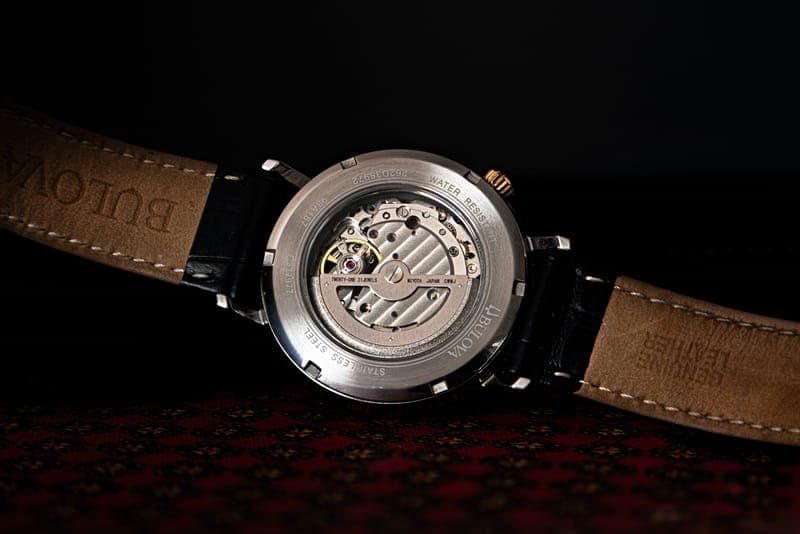
Buy an Eco-Drive if you want the gift to simply work forever with no thought attached, and an automatic if you want the recipient to find the watch interesting. That is the honest split. Both avoid battery changes, which is why they get compared in the first place: an Eco-Drive is a quartz watch charged by light, so it keeps near-perfect time and runs indefinitely as long as it sees daylight occasionally. An automatic is a mechanical watch wound by the motion of the wrist, so it drifts by seconds a day and stops if it sits in a drawer for two days.
For a gift the decision usually comes down to one question about the recipient rather than any specification: do they want objects to be invisible and reliable, or do they want to enjoy owning the thing? Somebody who has never thought about watches and just needs the time is an Eco-Drive buyer. Somebody who will turn the watch over to look at the movement, and who would see winding it as a small pleasure rather than a chore, is an automatic buyer. Four picks below, two of each.
How this page is funded: if you buy through a link here we may earn a commission, at no extra cost to you. It never decides what makes a list or what order the picks are in. Full disclosure.
Quick picks
The whole list at a glance. Tap any row to jump to the full write-up further down the page, or go straight to the listing.
| # | Product | Best for | Price |
|---|---|---|---|
| 1 | 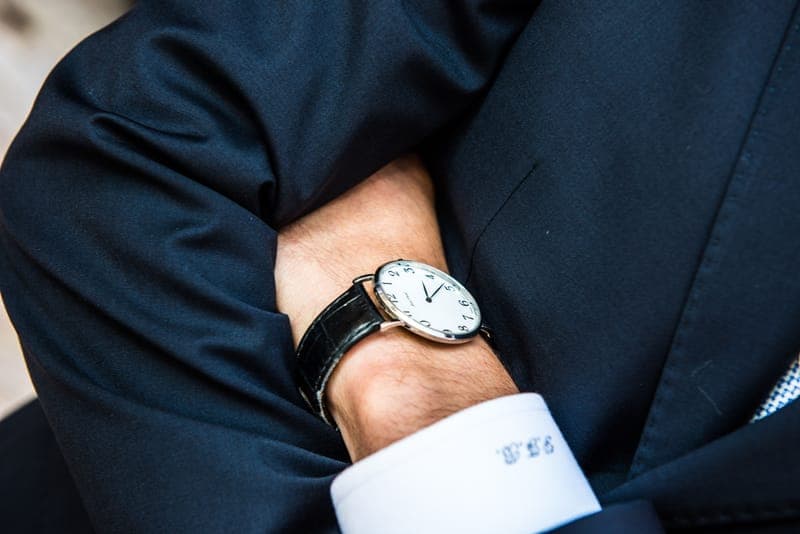 Citizen Eco-Drive CorsoRuns on light, keeps quartz time, never needs a batteryUnder $200 | The best zero-maintenance gift | |
| 2 | 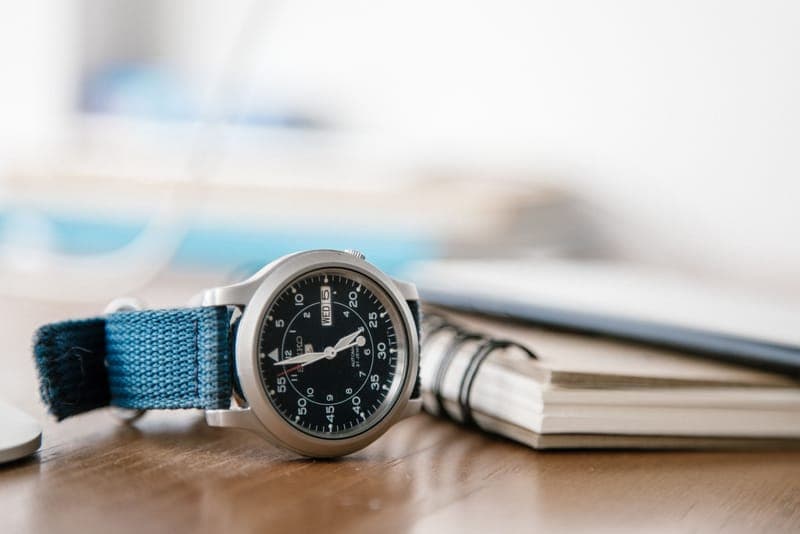 Seiko 5 SNK80937mm automatic with a window showing the movement runningUnder $200 | The best automatic to explain the idea | |
| 3 | 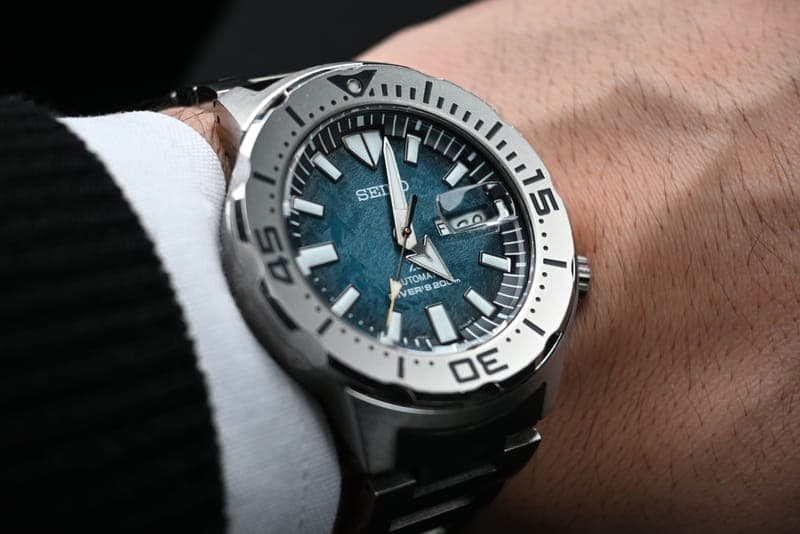 Citizen Promaster Diver200m rated, solar, never needs winding or a batteryUnder $500 | Light-powered and genuinely waterproof | |
| 4 | Orient Bambino Version 4In-house automatic, domed crystal, hand-winds as wellUnder $200 | An automatic that looks expensive |
We have not handled these products. Nobody here has worn, tested or owned them, and we will not pretend otherwise. What we do is check that each pick is still sold, still holds up and still makes sense as a gift at this budget. How we choose.
Side by side, in detail
Citizen Eco-Drive Corso
Citizen
A slim steel dress watch powered by Citizen's Eco-Drive technology, which runs on any light and never needs a battery change.
The pick if the gift should work without ever asking anything of its owner. Eco-Drive is Citizen's light-powered quartz: a cell behind the dial charges from daylight through a window, and the watch never needs a battery change for its working life. The practical consequence is the best one a gift can have — nothing to wind, nothing to charge, nothing to book an appointment for, and quartz accuracy, meaning seconds a month rather than seconds a day. The Corso is slim dress styling that works from an office to a wedding. Two honest limits: it needs to see light, so a year shut in a dark drawer will stop it, and because it is quartz it lacks the thing a collector is actually looking for.
What is good
- No battery replacement, ever — the single best feature for someone who hates maintenance
- Dress styling that works from the office to a wedding
- Keeps running in a drawer as long as it sees light now and then
What to know
- It needs light, so a watch shut in a dark box for months will stop
- Quartz, so it lacks what a collector is looking for
Seiko 5 SNK809
Seiko
A 37mm automatic field watch with a black dial, canvas strap and a window in the caseback showing the movement running.
The pick on the automatic side if the point is to show somebody why mechanical watches are interesting. The SNK809 is a 37mm field watch with a window in the caseback, and that window is the entire argument for mechanical watches made visible: the recipient turns it over, sees a balance wheel oscillating, and the idea lands in a way no amount of explanation achieves. It runs on wrist movement alone, so there is no battery at all. The trade is real and should be stated when you hand it over: it will drift by seconds a day, and it will stop after a day or two off the wrist and need resetting. For the right person both of those are features.
What is good
- Automatic, so it is powered by wrist movement with no battery at all
- The exhibition caseback is the best possible way to show someone why mechanical watches are interesting
- 37mm is a genuinely versatile size
What to know
- Stops after a day or two off the wrist and needs resetting
- Water resistance is low, so keep it out of the pool
Citizen Promaster Diver
Citizen
A solar-powered dive watch with 200 meters of water resistance and a screw-down crown, running Citizen's Eco-Drive technology so it never needs a battery.
The pick if the Eco-Drive idea should come in a serious watch rather than a dress watch. 200 meters of water resistance with a screw-down crown, powered by light, which together make it the lowest-maintenance capable watch anyone sells: nothing to wind, nothing to charge, and water genuinely stops being a consideration. For a recipient who swims, sails, works outdoors or simply never wants to think about a watch again, this is a stronger answer than any mechanical diver at the same money. It is quartz, so it offers nothing to an enthusiast looking for a movement to admire, and it is a substantial watch that will overwhelm a small wrist.
What is good
- Never needs a battery and never needs winding — the lowest-maintenance serious watch anyone sells
- 200m water resistance with a screw-down crown, so water genuinely stops being a consideration
- Costs a fraction of the mechanical divers on this page while being more practical than any of them
What to know
- Quartz, so it offers none of the mechanical appeal a watch enthusiast is usually after
- The resin or rubber strap versions look their price
- Needs to see light occasionally — months in a closed drawer will stop it
Orient Bambino Version 4
Orient
A dress watch with a domed crystal, applied numerals and an in-house automatic movement, on a leather strap.
The pick on the automatic side when the watch should look considerably more expensive than it is. A domed crystal over applied numerals does most of that work, and the in-house automatic movement underneath hand-winds as well as self-winds, which matters more than it sounds: it can be wound up and set going without wearing it for an hour first, so it is running properly the moment it is unwrapped. It is the right answer for anyone who wears a jacket regularly. Low water resistance means it comes off before the pool, and the leather strap is the first thing most owners upgrade — which makes a second strap an easy and welcome addition to the gift.
What is good
- Looks like a far more expensive dress watch, and the domed crystal does most of that work
- Automatic with hand-winding, so it can be set going without wearing it first
- The right answer for anyone who wears a jacket regularly
What to know
- Low water resistance, so it comes off before the pool
- The leather strap is the first thing most owners upgrade
Side by side
| Eco-Drive (light-powered) | Automatic (wrist-powered) | |
|---|---|---|
| Power source | Light through the dial | Motion of the wrist |
| Battery changes | None, for the life of the watch | None, ever |
| Accuracy | Seconds per month | Seconds per day |
| If left unworn | Keeps running if it sees light | Stops after a day or two |
| Needs resetting | Almost never | After any break in wear |
| Servicing | Rarely, if ever | Every five to ten years, at a cost |
| Interest to an enthusiast | Low | The whole point |
| Best for a keepsake | Practical, not romantic | Yes, including an engraved caseback |
The two rows that decide most gifts are accuracy and what happens when the watch is left alone. An Eco-Drive sitting on a windowsill for three months will be showing the right time when it is picked up. An automatic left for three days will be stopped, and whoever receives it needs to know that in advance or they will assume it is broken.
What Eco-Drive actually is
Eco-Drive is Citizen's name for a light-powered quartz movement. A solar cell sits behind the dial, converts any light — daylight, a window, a bright room — into charge, and stores it in a rechargeable cell. The watch itself is an ordinary quartz movement, so it keeps quartz time. A full charge typically carries it for months in the dark, which is why normal wear means the owner never thinks about it.
The one failure mode is real but easy to avoid: a watch kept in a closed box for a long time eventually stops. It is not damaged, and it restarts when it sees light again, but if you are buying this for somebody who owns several watches and rotates them, mention it. Other brands have the same technology under different names, and the behaviour is identical.
What automatic actually means
An automatic watch is a mechanical watch — a spring, a gear train and an escapement — with a weighted rotor that turns as the wrist moves and winds the spring. No battery, no electronics. The power reserve is how long it runs once removed, usually somewhere between a day and three days on the watches most people buy, though some modern movements stretch to eighty hours.
Two features worth knowing when you shop, because they are not universal and both make a gift better. Hand-winding means the crown can wind the spring directly, so the watch can be set going without being worn first. Hacking means the seconds hand stops when the crown is pulled out, so the time can be set precisely. The Seiko 5 Sports line has both; older Seiko 5 references like the SNK809 have neither, which is worth knowing but is not a dealbreaker on a gift.
The servicing question nobody mentions
A mechanical watch has oil in it, and oil eventually degrades. The conventional advice is a service every five to ten years, and the cost of that service on an inexpensive automatic can approach the price of the watch. In practice many owners of budget automatics never service them and simply replace the watch when it stops keeping time, which is an honest answer rather than a scandal.
An Eco-Drive has no equivalent obligation. There is no oil to degrade in the same way, no winding mechanism to wear, and no scheduled appointment attached to ownership. If the gift is going to somebody who would find a future maintenance bill irritating, this row is the one that should decide the purchase.
Which to give, by recipient
- Give an Eco-Drive to somebody who has never owned a nice watch and just wants the time to be right.
- Give an Eco-Drive to somebody who swims, works outdoors or hates maintenance of any kind.
- Give an Eco-Drive to an older recipient, because no battery change means no errand.
- Give an automatic to somebody who will turn the watch over and look at it.
- Give an automatic when the gift marks something and should still be running in thirty years.
- Give an automatic if you want an engraved caseback to mean something lasting.
If the recipient fits both lists, there is a genuine third answer: give the Eco-Drive now and the automatic later. A light-powered watch is the better daily wearer for almost everybody, and a mechanical watch is the better occasion gift, which means they do not compete so much as take turns.
How these picks were chosen
We have not worn or handled any of these watches. Each was chosen to represent its side of this comparison honestly rather than to win it: one dress and one sports watch on the Eco-Drive side, one field and one dress watch on the automatic side, each currently sold and each with its limits stated in the same paragraph as its strengths. The drawer problem on Eco-Drive, the resetting problem on automatics and the servicing cost on mechanical watches are all written above because they are what buyers find out later.
No prices appear on this page and no ratings are awarded. Every pick links to its live listing, so the figure you see is today's.
Questions buyers ask
Is Eco-Drive better than automatic?
For a low-maintenance daily watch, yes: an Eco-Drive keeps time to seconds a month, never needs a battery and never needs resetting. For a keepsake or for somebody who finds watches interesting, an automatic is the better gift, because a mechanical movement is the thing being given.
Does an Eco-Drive need a battery?
No. A solar cell behind the dial charges from any light and stores power in a rechargeable cell, which is not replaced during normal ownership. The one thing to know is that a watch shut in a dark box for many months will eventually stop, and it restarts when it sees light again.
Do automatic watches stop if you do not wear them?
Yes. An automatic is wound by wrist movement, so it typically stops after a day to three days off the wrist and has to be reset. That is normal rather than a fault, and it is worth explaining when you hand one over so the recipient does not assume it is broken.
Which is more accurate, Eco-Drive or automatic?
Eco-Drive, by a wide margin. It is a quartz movement, so it drifts by seconds a month. An automatic is mechanical and drifts by seconds a day, which is expected behaviour for the technology rather than a defect.
Do automatic watches need servicing?
The conventional advice is every five to ten years, and on an inexpensive automatic the cost can approach the price of the watch. An Eco-Drive has no equivalent scheduled obligation, which is the strongest practical argument for it as a gift.
Read next
- Automatic vs quartz
The wider version of this comparison, including ordinary battery quartz.
- Best automatic watches under $200
If the automatic side won, this is the shortlist.
- Do automatic watches need winding?
The question most new automatic owners ask in the first week.
- Best dive watches under $500
Where the light-powered Promaster sits against the mechanical divers.