Are Expensive Watches Worth It?
Not for telling the time. The honest answer is about where the value curve flattens out.
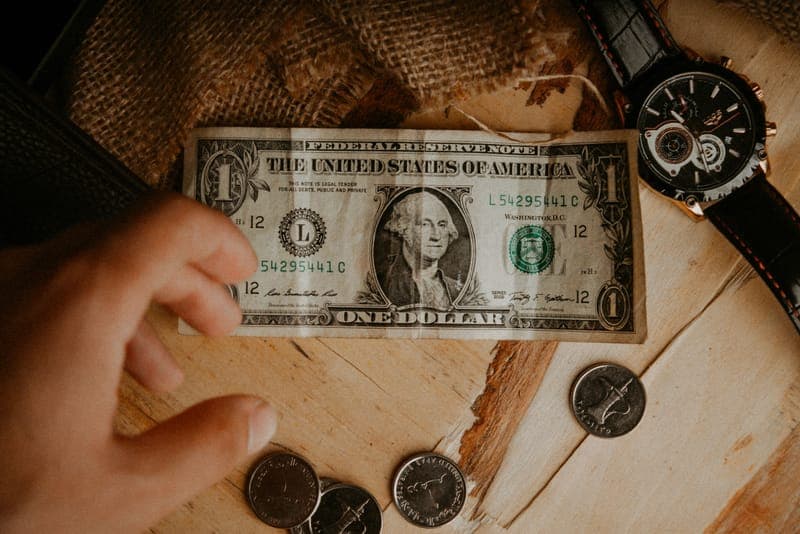
No, not if you are buying accuracy: a $40 quartz watch keeps better time than almost any mechanical watch at any price, because quartz and mechanical timekeeping are not on the same scale. Expensive watches are worth it for other things — case and bracelet finishing, sapphire crystal, materials that survive decades, and the pleasure of owning something made rather than assembled. The value curve is steepest between about $150 and $400 and flattens sharply above roughly $1,000, which is the single most useful fact for anybody deciding what to spend.
This matters for a gift buyer more than for a collector, because a collector is buying a hobby and a gift buyer is buying one object for one person. The question is therefore not whether expensive watches are good — they are — but whether the next $500 buys anything the recipient will notice. Below: what each band of money actually gets you, why the price-to-accuracy relationship runs backwards, the investment question answered plainly, and the four picks that mark the curve.
How this page is funded: if you buy through a link here we may earn a commission, at no extra cost to you. It never decides what makes a list or what order the picks are in. Full disclosure.
Quick picks
The whole list at a glance. Tap any row to jump to the full write-up further down the page, or go straight to the listing.
| # | Product | Best for | Price |
|---|---|---|---|
| 1 | 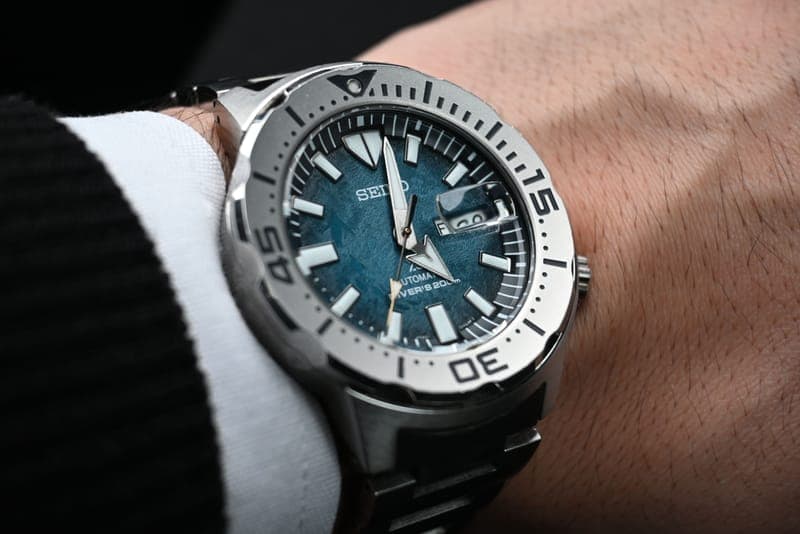 Casio MDV-106 DuroA real 200m dive watch for the price of a takeaway dinnerUnder $50 | The bottom of the curve | |
| 2 | Seiko 5 Sports (SRPD series)A genuine in-house automatic with real finishing, still affordableUnder $250 | Where the curve is steepest | |
| 3 | 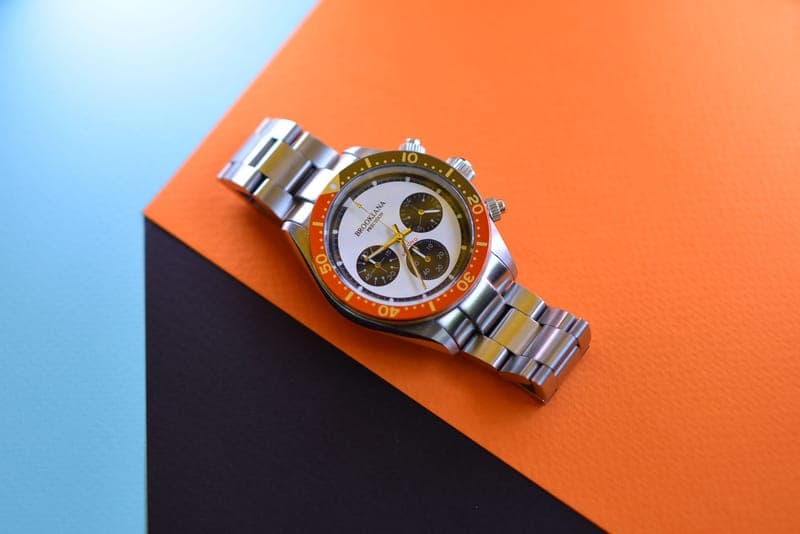 Tissot PRX Powermatic 80Swiss automatic, 80-hour reserve, superb integrated braceletUnder $1,000 | Where the curve starts to flatten | |
| 4 | 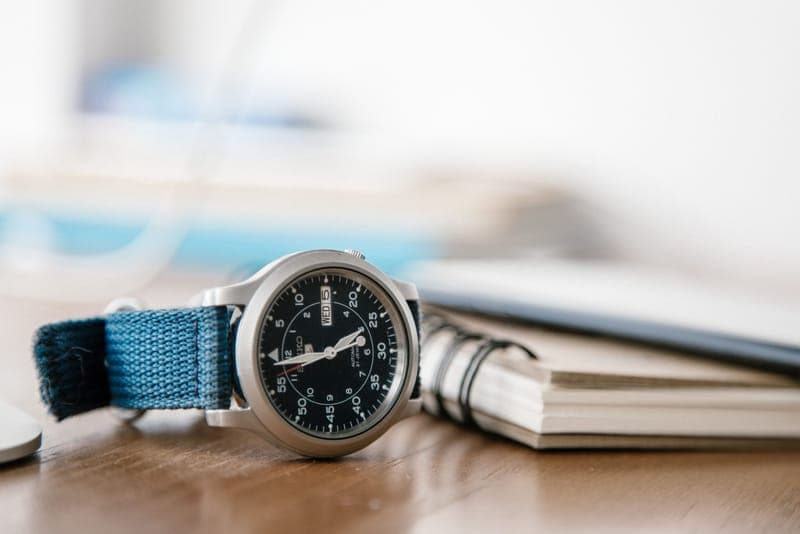 Hamilton Khaki Field AutoSwiss automatic, sapphire, serviceable for decadesUnder $1,000 | A watch meant to outlast the buyer |
We have not handled these products. Nobody here has worn, tested or owned them, and we will not pretend otherwise. What we do is check that each pick is still sold, still holds up and still makes sense as a gift at this budget. How we choose.
What to buy, if you have decided
Casio MDV-106 Duro
Casio
A full-size analog dive-style watch with 200 meters of water resistance, a rotating bezel and a screw-down crown.
The watch that proves the point. Under $50 the Duro gives you a genuine dive watch — 200 meters of water resistance, a screw-down crown, a rotating bezel that clicks — plus quartz timekeeping accurate to within seconds a month, which is better than anything mechanical on this page will manage. If a watch only has to tell the time reliably and survive water, the conversation can honestly stop here, and a great many people who buy a much more expensive watch would have been equally happy with this. What the money has not bought is finishing: the case is adequate rather than nice, the bezel action is loose compared to a serious diver, and the lume fades quickly. Those are real gaps, and they are the ones the next few hundred dollars closes.
What is good
- 200m water resistance means swimming, showering and dishes with no thought at all
- Looks far more expensive than it is, which is the compliment owners repeat most
- Takes a strap swap well, so it can be smartened up later for very little
What to know
- The stock rubber strap is the weakest part and many owners replace it
- A 42mm case is too big for a genuinely small wrist
Seiko 5 Sports (SRPD series)
Seiko
Seiko's modern 5 Sports: a 100m water-resistant automatic in a diver-style case, with a day-date display and a movement that both hand-winds and hacks.
The pick that represents the best value in watches, and the band most buyers should aim for. For a couple of hundred dollars you get a true mechanical movement made in-house rather than bought in, visibly better case and bracelet finishing than anything cheaper, 100 meters of water resistance, and dozens of dial colors. The jump in perceived quality from the Casio above is large and immediate — you can feel it in the bracelet and see it in the dial printing. The jump from here to a watch three times the price is noticeably smaller, which is the whole shape of the curve in one comparison. Two honest limits: it wears larger than its stated diameter, so mind a slim wrist, and a mechanical watch drifts by a few seconds a day rather than a month.
What is good
- The default recommendation for a first serious mechanical watch, and has been for years
- 100m water resistance covers swimming
- Dozens of dial colors, so it can be matched to a taste
What to know
- The case wears larger than its stated diameter suggests
- Mechanical accuracy drifts by seconds a day — normal, but worth explaining
Tissot PRX Powermatic 80
Tissot
A Swiss automatic with a 1970s-style integrated bracelet — the case and bracelet are designed as one piece — running Tissot's Powermatic 80 movement with an 80-hour power reserve.
The pick that shows what several hundred more dollars buys, and it is a real list rather than a marketing one: a Swiss automatic movement with an 80-hour power reserve so a weekend off the wrist does not stop it, a sapphire crystal that resists scratches in a way mineral glass does not, and an integrated steel bracelet finished to a standard that cheaper watches genuinely cannot match. Hold it next to the Seiko and the difference is visible. Ask whether it tells the time better and the answer is no. That is the flattening in one object. Two caveats worth knowing: the bracelet is integrated, so it cannot be swapped for a different strap, and it wears flatter and wider than its diameter suggests.
What is good
- An 80-hour power reserve means it is still running on Monday after sitting all weekend, which is the single most practical difference at this price
- The integrated bracelet is the look people pay many times this for, and it is the reason this watch sells out repeatedly
- Swiss automatic with a sapphire crystal, so it holds up to daily wear
What to know
- An integrated bracelet means you cannot simply swap in a standard strap — changing the look is limited and needs the right fitted part
- The polished case sides pick up hairline scratches quickly
- Water resistance suits swimming but it is not a dive watch
Hamilton Khaki Field Auto
Hamilton
A Swiss-made military-styled field watch with a sapphire crystal and an automatic movement carrying an 80-hour power reserve.
The pick when the honest intention is a watch kept for thirty years rather than three, which is the one argument for spending at this level that survives scrutiny. Swiss automatic movement, sapphire crystal, an 80-hour reserve, genuine military lineage rather than military styling, and the most legible dial of anything on this page. Crucially, it is a watch that can be serviced in twenty years' time by somebody who has never seen it before, which is not true of a cheap mechanical watch — at that point replacement costs less than repair. That durability is what the money buys. It is deliberately plain, which is the point of the style and will still disappoint a recipient hoping for something showy, and sapphire plus Swiss assembly is most of the price.
What is good
- The most legible dial of anything on this page — a field watch exists to be read at a glance, and this one is the reference version
- 80-hour power reserve, so a weekend off the wrist does not stop it
- Military heritage that is genuine rather than styling, which matters to the kind of recipient who asks about it
What to know
- Deliberately plain — if the recipient wants a watch that looks expensive, this is the wrong direction
- Water resistance covers rain and washing up rather than swimming
- The stock strap is the first thing many owners change
What each band of money actually buys
| Budget | What the money buys | What it does not buy |
|---|---|---|
| Under $50 | Reliable quartz timekeeping, basic water resistance | Finishing, crystal quality, bracelet quality |
| $50 to $150 | Better cases, real straps, sometimes a mechanical movement | Sapphire crystal, long power reserves |
| $150 to $400 | In-house automatics, visibly better finishing, mineral or sapphire glass | Swiss assembly, decades of serviceability |
| $400 to $1,000 | Sapphire, Swiss movements, 80-hour reserves, excellent bracelets | Any improvement in timekeeping at all |
| Above $1,000 | Hand finishing, precious materials, prestige, resale support | Function. Nothing here changes what the watch does |
Read the third column, not the second. Every band buys something genuine, and from the $400 mark upwards none of it affects what the watch does — it affects how well it is made and how long it will last. Whether that is worth it is a legitimate personal answer, not a technical one.
Why cheap watches keep better time
A quartz watch counts the vibrations of a quartz crystal, which oscillates tens of thousands of times a second and is barely affected by position, temperature or motion. A mechanical watch counts the swings of a balance wheel a few times a second, and that rate shifts with position, temperature, how wound it is and how it is worn.
The practical result: a quartz watch of any price is typically accurate to within fifteen seconds a month, and a mechanical watch is accurate to within a handful of seconds a day. That is not a defect in expensive watches and it is not fixable by spending more — the most expensive mechanical watches in the world are still orders of magnitude less accurate than a $40 Casio. Anyone buying a mechanical watch is buying something other than precision, and it is worth knowing that before the money is spent rather than after.
Is an expensive watch an investment?
Almost never. A handful of models from a handful of brands hold or gain value, and that handful is widely known, waitlisted, and bought by people who follow the market closely. Everything else — which is to say essentially every watch anyone buys as a gift — loses a substantial fraction of its price the moment it leaves the shop, exactly like a car.
Treating a watch as an investment also runs into a practical problem: an investment you wear gets scratched, and the condition that preserves value is the condition of not being used. If somebody wants an asset, there are better ones. If they want an object they enjoy owning that happens to retain some resale value, that is a reasonable thing to want — just do not confuse the two, and never justify a gift budget with an investment argument.
The four things worth paying more for
- Sapphire crystal. It resists scratches in a way mineral glass does not, and a scratched crystal is the damage you see every time you check the time. This is the single best upgrade per dollar.
- A long power reserve. An 80-hour reserve means an automatic survives a weekend off the wrist, which removes the main annoyance of owning one.
- Bracelet quality. A bad bracelet is the cheapest-feeling part of any watch and the part touching the wearer all day. This is where mid-priced watches most often give themselves away.
- Serviceability. A watch from an established maker can be repaired in twenty years. A cheap mechanical watch cannot be economically — replacement costs less than repair.
Notice what is absent: brand prestige, precious metals, and complications like moon phases. All real, all expensive, and none of them do anything for the person wearing the watch day to day. If the budget is limited, spend it on the four above and stop.
What to spend if this is a gift
- For somebody with no interest in watches: under $100. Spending more buys qualities they will not notice, and the risk of a wrong style choice rises with the price.
- For a first good watch: $150 to $250. This is the steepest part of the value curve and where a watch starts to feel properly made.
- For somebody who already likes watches: ask, or buy a strap. Their shortlist already exists and your guess will not match it.
- For a milestone — retirement, a wedding, a graduation: $400 to $1,000, where sapphire and Swiss movements start, and the watch can honestly be described as a keepsake.
- Above $1,000 as a gift: only if the recipient has named the watch. At this level taste is specific and a guess is expensive.
The honest summary
Expensive watches are worth it in the same way an expensive chair is worth it: the function is identical, the making is better, and whether the difference justifies the money depends entirely on how much the owner values how things are made. That is a real answer rather than a dodge — it is just not a technical one.
If you want the single practical takeaway: aim for the $150 to $400 band. You get a genuine mechanical or solar movement, finishing you can see and feel, and a watch that will be serviceable for years, and you skip the part of the curve where the money stops buying anything the wearer experiences.
Questions buyers ask
Are expensive watches worth it?
Not for timekeeping — a $40 quartz watch is more accurate than almost any mechanical watch at any price. They are worth it for case and bracelet finishing, sapphire crystal, long power reserves and decades of serviceability. The value curve is steepest between roughly $150 and $400 and flattens above $1,000.
Why are cheap watches more accurate than expensive ones?
Because quartz and mechanical movements work differently. A quartz crystal oscillates tens of thousands of times a second and is barely affected by position or temperature, giving accuracy within seconds a month. A mechanical balance wheel swings a few times a second and drifts by seconds a day.
Are watches a good investment?
Almost never. A small, well-known set of models from a few brands hold value; essentially every watch bought as a gift loses a substantial fraction of its price immediately. An investment you wear also gets scratched, so the condition that preserves value is the condition of not using it.
How much should you spend on a watch?
Under $100 for somebody with no interest in watches, $150 to $250 for a first good watch, and $400 to $1,000 for a milestone gift where sapphire crystal and Swiss movements begin. Above $1,000 as a gift, only buy a watch the recipient has actually named.
What is worth paying extra for in a watch?
Four things: sapphire crystal, because a scratched crystal is damage you see daily; a long power reserve, so an automatic survives a weekend unworn; bracelet quality, which is the part touching the wearer all day; and serviceability from an established maker.
Read next
- How much to spend on a watch
The same question answered by relationship rather than by value curve.
- Automatic vs quartz
Why the cheaper movement keeps better time, explained properly.
- Best watch brands for men
Which brands sit where on the curve, with one pick each.
- Best watches under $200
The band where this page says the value actually peaks.