Bifold vs Slim Wallet
One holds everything they currently carry. The other asks them to carry less.
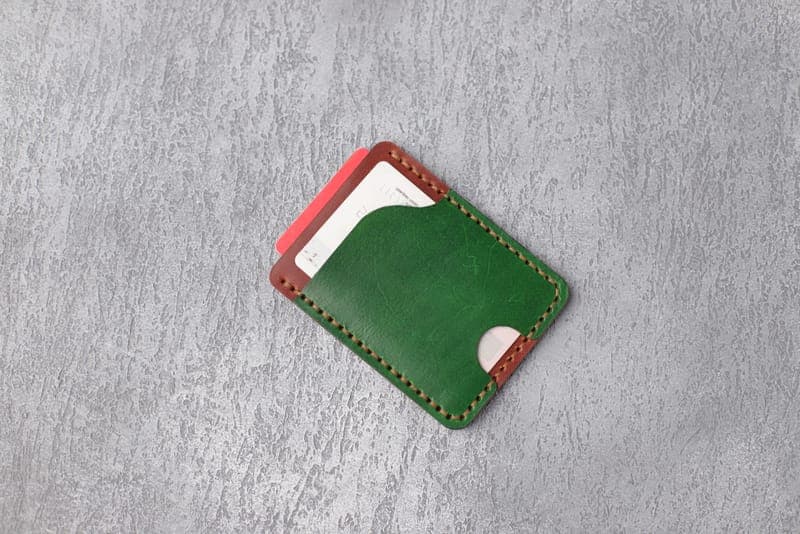
This is the only real decision in buying someone a wallet, and it is not about leather quality or brand. It is about capacity: a bifold holds everything the recipient currently carries, and a slim wallet asks them to carry less.
The answer for most gift buyers is the bifold, and the reason is risk rather than preference. If you are wrong about a bifold, they have a slightly bulkier wallet than necessary. If you are wrong about a slim one, they have a wallet that does not fit their life and a quiet sense that you were commenting on it.
How this page is funded: if you buy through a link here we may earn a commission, at no extra cost to you. It never decides what makes a list or what order the picks are in. Full disclosure.
Quick picks
The whole list at a glance. Tap any row to jump to the full write-up further down the page, or go straight to the listing.
| # | Product | Best for | Price |
|---|---|---|---|
| 1 | Carhartt oil-tan leather bifoldHolds everything they carry; no habit change requiredUnder $50 | Most gift buyers | |
| 2 | Bellroy Slim SleeveFront-pocket thin, with named leather and a warrantyUnder $100 | Someone who already carries few cards |
We have not handled these products. Nobody here has worn, tested or owned them, and we will not pretend otherwise. What we do is check that each pick is still sold, still holds up and still makes sense as a gift at this budget. How we choose.
The two watches, side by side
Carhartt oil-tan leather bifold
Carhartt
A sturdy oil-finished leather bifold with card slots, two bill pockets and a fold-out ID window, in RFID-blocking versions.
The safe side of this comparison. A traditional bifold takes cash, coins, cards and the accumulated receipts of a normal life, which means it cannot be too small — and it requires no change in how the recipient uses a wallet. Thick oil-tan leather survives years of back-pocket use. The cost is bulk: it will always be thicker than a card sleeve, and in a front pocket that is noticeable.
What is good
- Thick oil-tan leather that takes years of back-pocket use rather than splitting
- A familiar bifold layout, so there is no habit to relearn
- Carhartt is a name most recipients already trust for hard-wearing goods
What to know
- Bulky compared to a card sleeve
- The oil finish marks easily in the first few weeks
Bellroy Slim Sleeve
Bellroy
A very thin leather wallet with pull-tab card access and a slot for folded notes, made from environmentally certified leather.
The right answer when you have counted and the number is small. It is genuinely thin enough for a front pocket, which is better for anyone who sits all day, and the leather softens rather than cracks. The condition is the whole point of this page: buy it only when you know they carry five or six cards and little cash, because it physically will not hold more.
What is good
- Thin enough to carry in a front pocket, which is the entire point of it
- The leather softens rather than cracks with use
- A three-year warranty, so a fault is the maker's problem and not the recipient's
What to know
- Holds fewer cards than a traditional bifold
- No coin pocket
Side by side
| Bifold | Slim card wallet | |
|---|---|---|
| Card capacity | Eight to twelve, comfortably | Four to six, firmly |
| Cash | Full-length note section | A folded note or two, if that |
| Coins | Often a zipped or popper pocket | None |
| Back pocket, usually | Front pocket, comfortably | |
| Habit change needed | None | Yes — they must carry less |
| Risk if you guess wrong | Slightly bulkier than needed | It does not fit their life |
| Best for | Anyone you have not counted | Someone already card-light |
Notice that the two risk rows are not symmetrical. That asymmetry is the entire argument of this page: the downside of the bifold is mild and the downside of the slim wallet is a wallet that goes back in the box.
How to count without being obvious
You need one number: roughly how many cards they carry. Six or fewer means a slim wallet works. More than that means a bifold. The easiest way to find out is to notice the wallet itself — if it does not fold flat and the fold has a visible bulge, they are carrying more than six.
Other signals: do they still pay cash anywhere, do they keep a transit card or a gym card, do they carry a driver's license and an ID separately. Each of those pushes the count up and pushes the answer toward the bifold.
The middle option most people miss
There is a third shape that resolves most of this: a slim bifold. It keeps the familiar layout, the note section and often a coin pocket, but it is cut considerably thinner than a standard bifold. For someone who wants to slim down but still carries cash, it is the gift that works without asking anything of them.
If you cannot decide after reading this page, that is the answer. It is the version of a wallet gift with the smallest downside in either direction.
What about metal card holders?
They sit at the far end of the slim side: two plates and an elastic band, RFID-blocked by the metal itself, and effectively indestructible. They suit someone who destroys leather goods and carries few cards, and they have the highest novelty value of anything in this category — people who own one demonstrate it unprompted.
The trade is the same one, only sharper: the card limit is firm, there is nowhere for coins, and metal edges can wear a pocket lining. Buy one for someone you know is card-light and hard on things, never as a default.
The verdict
For a gift, buy the bifold unless you have actually counted. It cannot be too small, it changes nothing about how they live, and a slightly bulkier wallet is a forgettable complaint. Leather quality, warranty and finish matter more than the shape once the capacity is right.
Buy the slim wallet when you know the number is five or six, when they have mentioned wanting to carry less, or when they already use a front pocket. In that case it is the better gift by a distance — thin, considered, and used every day. We have not handled either wallet; both are described only from what the makers publish.
Questions buyers ask
Bifold or slim wallet as a gift?
Bifold, unless you have counted their cards and the number is five or six. A bifold cannot be too small and requires no change in habits. A slim wallet that does not fit their life reads as a comment on it.
How many cards does a slim wallet hold?
Typically four to six, firmly, with room for a folded note or two and no coin pocket. A bifold takes eight to twelve comfortably along with cash and often coins.
How do I count their cards without asking?
Look at the wallet itself. If it does not fold flat and the fold visibly bulges, they are carrying more than six. Whether they still pay cash anywhere is the other useful signal.
Is there a middle option?
Yes, and most people miss it: a slim bifold. It keeps the familiar layout and the note section but is cut much thinner than a standard bifold. It is the version with the smallest downside in either direction.
Are metal card holders a good gift?
For someone card-light who destroys leather goods, yes — they are effectively indestructible and the mechanism is genuinely fun. Not as a default: the card limit is firm and there is nowhere for coins.
Read next
- Best wallets under $50
The full list, once you have picked a shape.
- Is a wallet a good gift?
The question before this one.
- Best leather goods gifts
How to judge leather you cannot handle.
- Gifts for him under $100
Where a good wallet sits among the alternatives.
- What accessories should a man have?
Why a wallet is first on the list.