How Many Watches Should a Man Own?
Three. One for every day, one that goes in water, one that goes with a jacket.
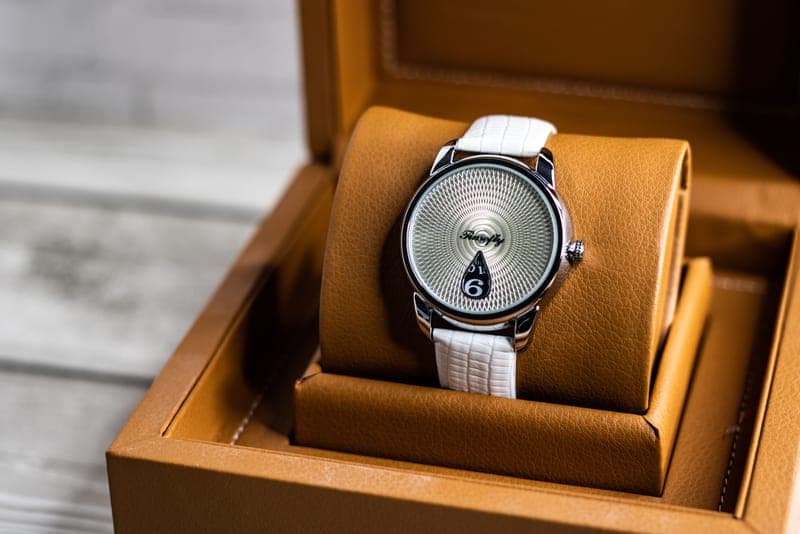
Three. One everyday watch that reads clearly and looks right with anything, one watch rated to at least 100 meters that can be worn in water without a thought, and one slim watch that sits under a shirt cuff. Those three cover essentially every situation an ordinary life contains, and a fourth starts being about collecting rather than about covering a gap. If the budget only allows one, buy a field watch, because it does two of those three jobs adequately.
The useful way to think about this is coverage rather than quantity. Each watch should exist because of a situation the others handle badly: a dress watch is useless in a pool, a dive watch looks wrong under a cuff, and a plain field watch is slightly underpowered at a wedding and slightly cautious in the sea. Once those three gaps are closed, nothing further is needed — which is why people with large collections will readily tell you that most of their watches are a hobby rather than a wardrobe.
How this page is funded: if you buy through a link here we may earn a commission, at no extra cost to you. It never decides what makes a list or what order the picks are in. Full disclosure.
Quick picks
The whole list at a glance. Tap any row to jump to the full write-up further down the page, or go straight to the listing.
| # | Product | Best for | Price |
|---|---|---|---|
| 1 | 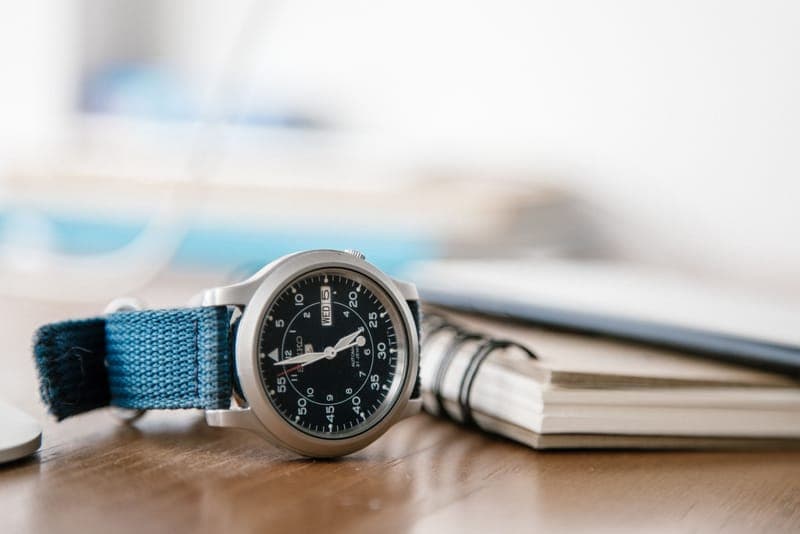 Seiko 5 SNK80937mm plain automatic; correct with anythingUnder $200 | Watch one: the everyday | |
| 2 | 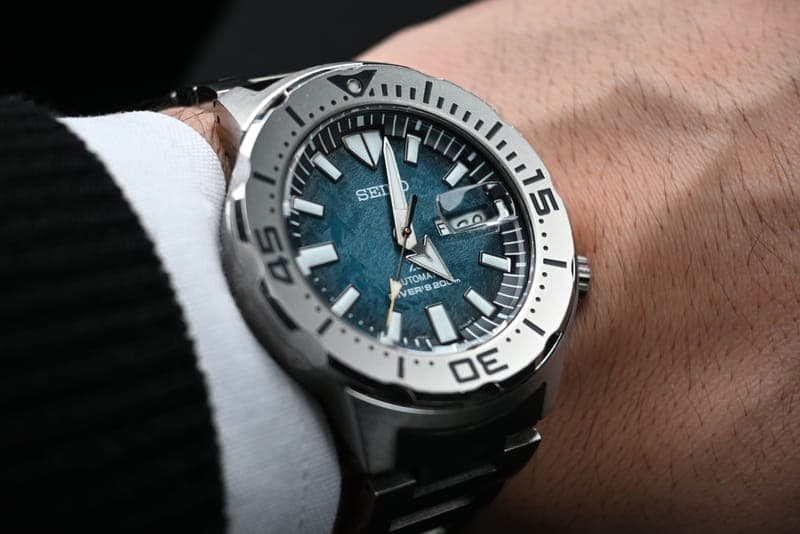 Casio MDV-106 Duro200m and a screw-down crown; costs almost nothingUnder $50 | Watch two: the one that goes in water | |
| 3 | 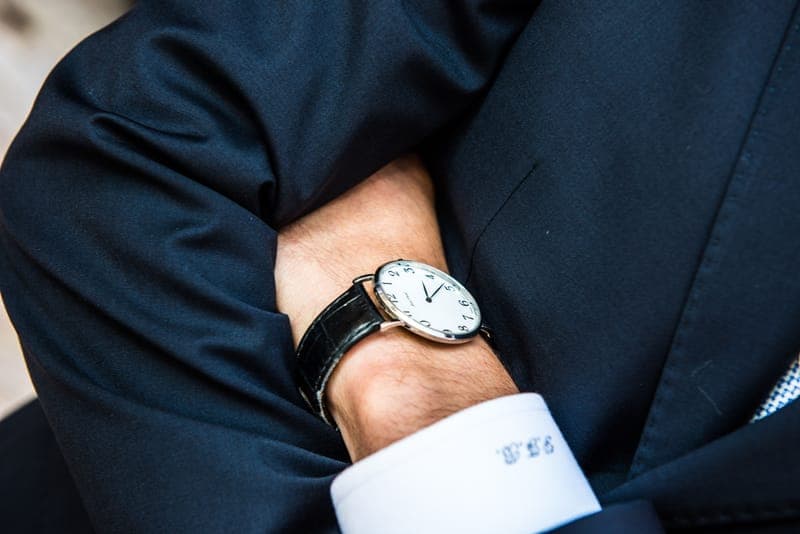 Orient Bambino Version 4Slim dress automatic; domed crystal, applied numeralsUnder $200 | Watch three: the one for a jacket |
We have not handled these products. Nobody here has worn, tested or owned them, and we will not pretend otherwise. What we do is check that each pick is still sold, still holds up and still makes sense as a gift at this budget. How we choose.
What to buy, if you have decided
Seiko 5 SNK809
Seiko
A 37mm automatic field watch with a black dial, canvas strap and a window in the caseback showing the movement running.
The everyday slot, and the one to buy first if you are only buying one. A plain dark dial with large numbers in a 37mm case is legible, unobtrusive and correct with a t-shirt, a coat or a jacket, which is what an everyday watch has to be. Being automatic means no battery to replace, and the exhibition caseback makes the mechanism visible, which is a genuine pleasure for somebody building their first small set rather than a gimmick. The honest limits are relevant to the three-watch logic: low water resistance means it does not cover the water slot, and it stops after a day or two unworn, which is only a nuisance if it is one of several.
What is good
- Automatic, so it is powered by wrist movement with no battery at all
- The exhibition caseback is the best possible way to show someone why mechanical watches are interesting
- 37mm is a genuinely versatile size
What to know
- Stops after a day or two off the wrist and needs resetting
- Water resistance is low, so keep it out of the pool
Casio MDV-106 Duro
Casio
A full-size analog dive-style watch with 200 meters of water resistance, a rotating bezel and a screw-down crown.
The water slot, and the cheapest honest way to fill it. 200 meters of water resistance with a screw-down crown means showers, pools, the sea and washing up are all irrelevant, and that is the entire job of the second watch in a three-watch set. Spending more here buys refinement rather than capability, which is why this is the pick regardless of what the other two cost: the function is already complete. Two caveats: at 42mm it is too large for a genuinely small wrist, and the stock rubber strap is the weakest part of the watch and worth replacing.
What is good
- 200m water resistance means swimming, showering and dishes with no thought at all
- Looks far more expensive than it is, which is the compliment owners repeat most
- Takes a strap swap well, so it can be smartened up later for very little
What to know
- The stock rubber strap is the weakest part and many owners replace it
- A 42mm case is too big for a genuinely small wrist
Orient Bambino Version 4
Orient
A dress watch with a domed crystal, applied numerals and an in-house automatic movement, on a leather strap.
The dress slot, filled last because it is the one needed least often and the one that looks worst when a sports watch is substituted. The Bambino's domed crystal and applied numerals make it look considerably more expensive than it is, and a slim case is the actual requirement — a dress watch is defined by sitting flat under a cuff, which no thick watch manages. It hand-winds as well as self-winds, so it can be set going without being worn for an hour, which suits a watch worn occasionally. Low water resistance, and the leather strap is the first thing most owners upgrade.
What is good
- Looks like a far more expensive dress watch, and the domed crystal does most of that work
- Automatic with hand-winding, so it can be set going without wearing it first
- The right answer for anyone who wears a jacket regularly
What to know
- Low water resistance, so it comes off before the pool
- The leather strap is the first thing most owners upgrade
The three-watch set, by the gap it fills
| Slot | What it must do | Style | Buy it | Skip it if |
|---|---|---|---|---|
| Everyday | Be legible and correct with anything | Field or plain three-hand | First | Never. This is the one. |
| Water | Survive swimming and showers | Dive, 100m or more | Second | They never go near water |
| Dress | Sit flat under a shirt cuff | Slim, small, leather | Third | They never wear a jacket |
Read the right-hand column honestly. A lot of people genuinely do not need the dress watch, because they have not worn a jacket in four years and have no plans to. Buying a watch for a life somebody does not lead is the most common way a watch ends up unworn, and it applies to collections as much as to single gifts.
When one watch is enough
Often. One watch is enough for most people most of the time, and the right single watch is a field watch or a plain three-hand watch with a reasonable water resistance rating. It will be slightly cautious in the sea and slightly casual at a black-tie dinner, and both of those are easier to live with than the alternative of owning watches that do not get worn.
There is also a cheaper route to coverage than a second watch: a second strap. The same watch on a steel bracelet, on leather and on nylon reads as three different watches, which handles most of the dress-versus-casual problem for a fraction of the cost of another watch. If somebody owns one watch and wants more range, straps are the first purchase and a second watch is the second.
When a fourth makes sense
A fourth watch is justified when it fills a situation the other three handle badly, not when it is simply a different colour. The honest candidates are a digital or GPS watch for exercise, where a mechanical watch is genuinely the wrong tool; a watch with a second time zone for somebody who works or travels across borders; and a beater that can be worn doing something genuinely destructive so the other three stay intact.
Beyond that, additional watches are a hobby. There is nothing wrong with that — collecting is a legitimate thing to enjoy — but it is worth being clear about which purchase you are making, because the arguments are different. A wardrobe gap is filled once; a collection is never finished, which is most of the appeal.
What to buy first, in order
- The everyday watch. Plain dial, 36mm to 40mm, something that reads instantly. Spend the most here, because it gets worn the most.
- A second strap for it. The cheapest way to double the range of the watch you just bought.
- The water watch. 100 meters minimum, 200 ideally, rubber or steel. Spending more buys refinement, not capability.
- The dress watch, if a jacket is actually worn. Slim matters more than brand.
- A box or roll, once there are three. Watches kept in a drawer get scratched by each other.
That order is deliberate and the second item is the one people skip. A strap costs a fraction of a watch and changes how often the watch gets worn, which is the only measure of a successful watch purchase that matters.
Storing three watches
Once there are three, they need somewhere to live that is not a drawer with keys and loose change in it. A watch box with a glass lid keeps them visible and separated, which means they actually get rotated rather than forgotten, and the soft pillows stop cases knocking against each other. A roll does the same job in less space and travels, which suits somebody who keeps a small set rather than a display.
For a gift this is a genuinely good accompaniment to a third watch, and a slightly odd gift on its own: a watch box given to somebody with one watch reads as an instruction to buy more. Three is the number at which it becomes useful rather than aspirational.
The honest counter-argument
Plenty of people wear one watch for twenty years and are entirely happy, and the three-watch framework is a shopping guide rather than a requirement. If somebody has one watch they like, the best gift is usually not a second watch — it is a strap, a service, or a box. A second watch given to a happy one-watch owner has a real chance of never being worn, which is the outcome this whole page exists to avoid.
Questions buyers ask
How many watches should a man own?
Three covers nearly everything: one everyday watch that reads clearly and suits anything, one rated to at least 100 meters for water, and one slim watch for a shirt cuff. A fourth is justified only if it fills a situation the other three handle badly, such as exercise or a second time zone.
Is one watch enough?
For most people, yes. The right single watch is a field watch or a plain three-hand watch with reasonable water resistance — slightly cautious in the sea, slightly casual at a formal dinner, and correct everywhere else. A second strap extends its range far more cheaply than a second watch.
What three watches should I own?
An everyday watch with a plain legible dial in a 36mm to 40mm case, a dive-style watch rated to 100 meters or more, and a slim dress watch that fits under a cuff. Buy them in that order, and buy the everyday one first because it gets worn the most.
Do I need a dress watch?
Only if a jacket or shirt cuffs are actually worn. A dress watch is defined by sitting flat under a cuff, and if that situation never arises the watch will not be worn. Buying for a life somebody does not lead is the most common way a watch ends up in a drawer.
What is a better gift than a second watch?
For somebody who already has a watch they like: a strap in a different material, which changes how the watch reads for a fraction of the cost, or a box or roll once they own three. A second watch given to a happy one-watch owner often goes unworn.
Read next
- Best field watches
Where to find watch one, the everyday.
- Best dive watches under $500
Where to find watch two, the one that goes in water.
- Best watch cases and rolls
Once there are three, they need somewhere that is not a drawer.
- What type of watch should I get?
If you are buying the first one, start here.