Best Smartwatches for Teens
Check the school's phone policy before the spec sheet. It rules out more of these than your budget will.

If you want one answer: the Amazfit Bip 6. It works with an iPhone or an Android phone, it is rated at up to fourteen days per charge, the screen is big enough to read at arm's length, and nothing about it is behind a subscription. For a teenager that combination matters more than any feature list, because the two ways a gifted smartwatch fails at that age are a charger nobody plugs in and a monthly bill a parent did not expect.
Before the picks, two checks that decide more of this purchase than the specifications do. The first is the school. A great many schools treat a smartwatch exactly as they treat a phone — not in class, or not on the premises, or confiscated in exam halls — and a watch that cannot be worn for seven hours a day is a weekend toy at a weekday price. It takes one email to the school office to find out, and it is worth sending before you order.
The second is the phone. Two of the nine picks here are Apple Watches, which require an iPhone and do nothing at all on an Android handset. This is the most common expensive mistake in gifting a wearable and it is entirely avoidable: if you cannot confirm what phone the teenager has, choose one of the seven picks that pair with either.
What follows is the criteria, nine picks with real drawbacks on every one, a table of the figures that matter, an honest section on why this page does not quote star ratings, and the three situations where a smartwatch is the wrong gift for a teenager. Every listing was confirmed live and in stock on the day this page was written.
How this page is funded: if you buy through a link here we may earn a commission, at no extra cost to you. It never decides what makes a list or what order the picks are in. Full disclosure.
Quick picks
The whole list at a glance. Tap any row to jump to the full write-up further down the page, or go straight to the listing.
| # | Product | Best for | Price |
|---|---|---|---|
| 1 | 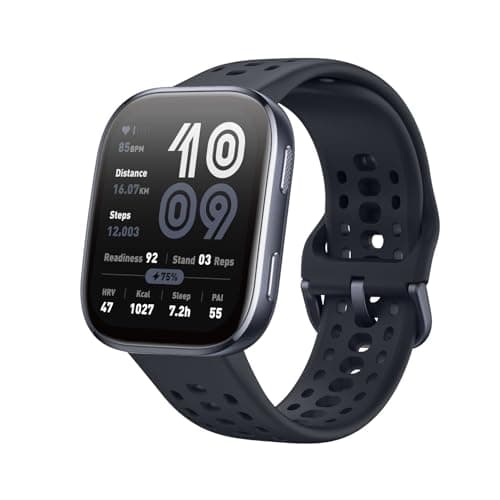 Amazfit Bip 6Fourteen-day rating, big screen, works with any phone, no subscriptionUnder $100 | The best smartwatch for most teenagers | $79.00 View on Amazon #ad How this is funded · Price as of November 21, 2026 |
| 2 | 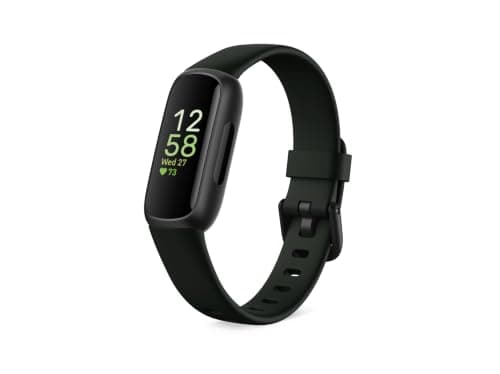 Fitbit Inspire 3Slim band rated ten days — reads as a tracker, not a phoneUnder $100 | Best cheap pick, and the least school-provocative | |
| 3 | 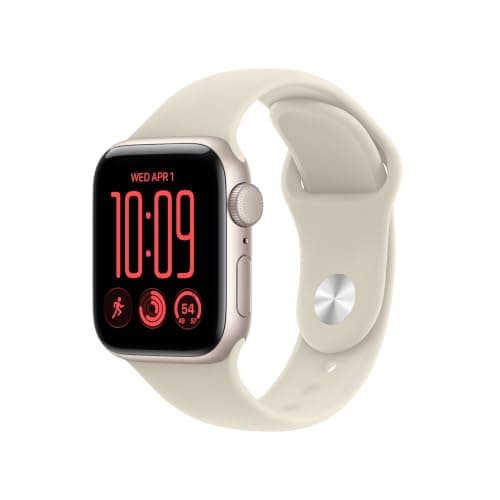 Apple Watch SEThe one they want, if the household is on iPhonesUnder $250 | Best for a teenager who already has an iPhone | $199.00$249.00−20% View on Amazon #ad How this is funded · Price as of November 21, 2026 |
| 4 | 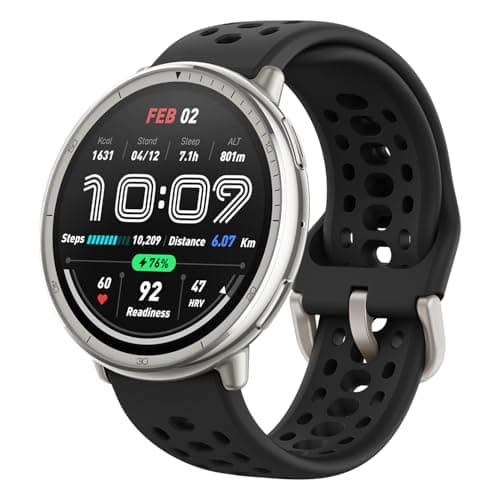 Amazfit Active 2Round 1.32-inch case, more sensors than the Bip 6, any phoneUnder $100 | Best if they want it to look like a watch | |
| 5 | 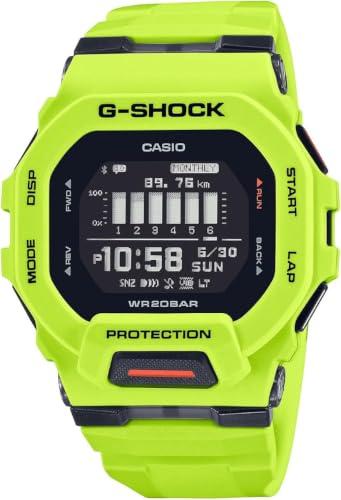 Casio G-Shock GBD-200Counts steps, 200m water resistant, battery rated up to two yearsUnder $200 | Best for a teenager who breaks things | |
| 6 | 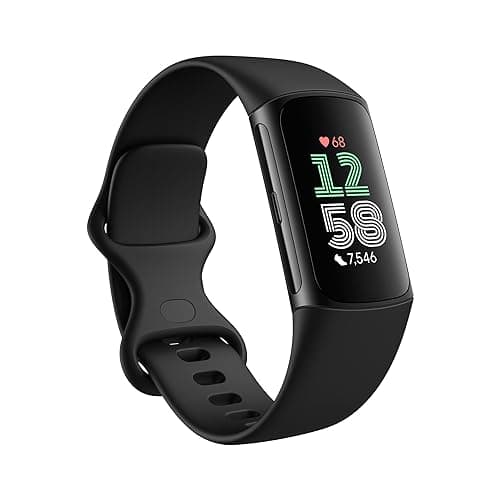 Fitbit Charge 6Built-in GPS and an ECG sensor in a slim bandUnder $200 | Best band with real GPS | |
| 7 | 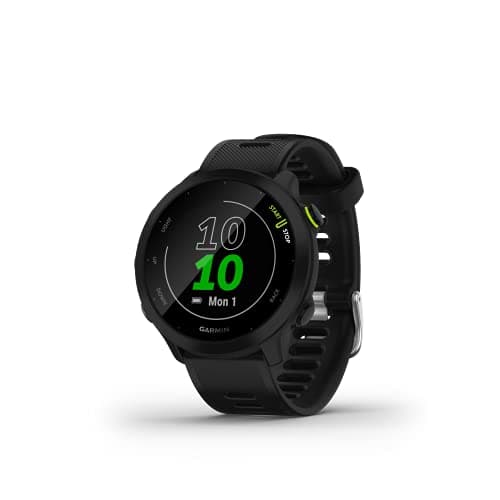 Garmin Forerunner 55Real GPS pace and distance, multi-day battery, any phoneUnder $250 | Best for a teenager who actually competes | $161.99$199.99−19% View on Amazon #ad How this is funded · Price as of November 21, 2026 |
| 8 | 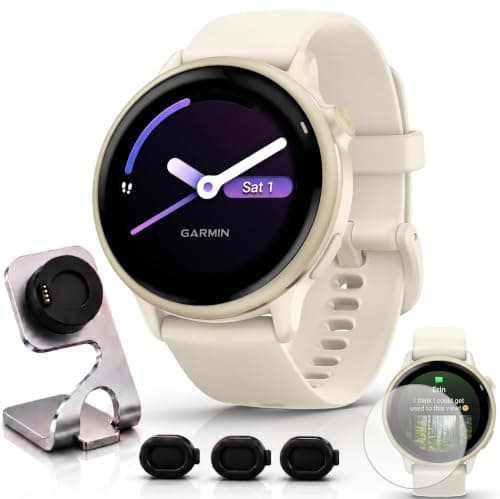 Garmin Vivoactive 6Eleven-day rating, AMOLED screen, real GPS, any phoneUnder $500 | Best all-rounder if the budget is open | $259.99$309.99−16% View on Amazon #ad How this is funded · Price as of November 21, 2026 |
| 9 | 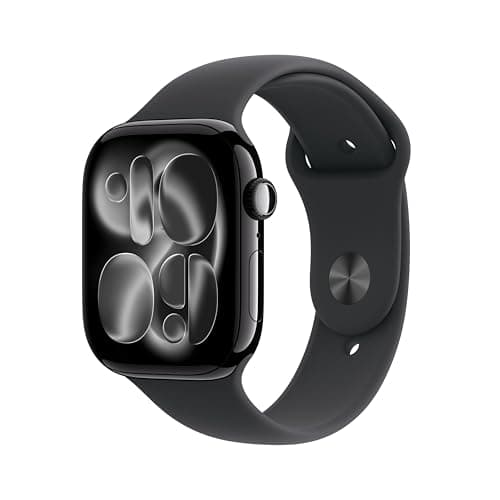 Apple Watch Series 11The full Apple Watch — bigger screen, more sensors than the SEUnder $500 | Best big-budget pick, iPhone only |
We have not handled these products. Nobody here has worn, tested or owned them, and we will not pretend otherwise. What we do is check that each pick is still sold, still holds up and still makes sense as a gift at this budget. How we choose.
Every pick in detail
Amazfit Bip 6
Amazfit
A budget smartwatch with a large bright screen, built-in GPS with offline maps, and a battery Amazfit rates at up to fourteen days. No subscription is needed to see your own data.
The pick for most buyers and the one to choose if you stop reading here. Amazfit rates it at up to fourteen days per charge, which is the single most useful number on this page for a teenage recipient: a fortnight of battery means the watch survives the specific failure mode of that age group, which is a charger that stays in a drawer. The 1.97-inch screen is the biggest at this money, so it reads at a glance without anybody squinting, and it has built-in GPS with offline maps, which is genuinely useful for a teenager walking or cycling somewhere new. It pairs with iPhone and Android, so the compatibility question disappears, and the health data is not paywalled — no bill arrives later. Three honest cons. The app ecosystem is thin next to Apple's and Google's, so beyond health, notifications and timers it does little, and a teenager who was hoping for apps and games will find it limited. The build is plastic and feels like the price, which matters for something unwrapped in front of family. And a screen that large looks large on a small wrist.
What is good
- Nearly two weeks of rated battery life, which is the most forgiving feature a gift smartwatch can have
- The biggest screen of anything at this money, so it reads at a glance without reading glasses
- Works with iPhone and Android, and the health data is not paywalled
What to know
- The app ecosystem is thin next to Apple or Google, so it does little beyond health, notifications and timers
- The build is plastic and feels like the price, which matters for something unwrapped in front of people
- A screen that large on a small wrist looks exactly like a screen that large on a small wrist
#ad How this is funded · Price as of November 21, 2026
Fitbit Inspire 3
Fitbit
A slim fitness band that tracks steps, heart rate and sleep stages, rated by Fitbit at up to ten days per charge. It borrows the phone's GPS rather than carrying its own.
The pick when the budget is tight, or when the school's position on smartwatches is strict. The Inspire 3 is a narrow band rather than a watch: steps, heart rate and sleep stages, rated by Fitbit at up to ten days per charge, and small enough that a teenager who has never worn anything on their wrist adapts within a day. The reason it earns a high slot on a teen page specifically is that it does not look like a phone on a wrist, which is the thing that gets smartwatches banned in classrooms — a plain fitness band is far more likely to survive a school's policy than a screen that mirrors messages. It is also the cheapest pick here, which makes it the low-risk option when you are unsure a wearable will land at all. The honest cons. Connected GPS only, so a run logs duration and heart rate but no route or pace. No ECG sensor. Setup needs a phone app and a Google account, so there is a first-fifteen-minutes job. And the hardware dates from 2022 and is overdue a replacement, so a newer model may appear during its life.
What is good
- The longest rated battery life in the Fitbit range, so it can be worn through the night without a nightly charge
- Light and narrow enough that somebody who has never worn a watch forgets it is on
- Sleep stages are the headline feature, which is the one number an exhausted recipient actually looks at
What to know
- Connected GPS only: it records duration and heart rate but not a route or a GPS pace
- No ECG sensor, which the step-up Charge 6 has
- Setup needs a phone app and a Google account, so it is not a gift that works straight out of the box
- The hardware dates from 2022 and is overdue a replacement, so a newer model may land during its life
Apple Watch SE
Apple
Apple's entry smartwatch: notifications, workouts, heart rate, fall detection and Apple Pay, paired to an iPhone.
The pick when the teenager has an iPhone and this is the gift they have actually asked for. The SE is Apple's entry smartwatch — notifications, workouts, heart rate, fall detection and Apple Pay — and for a teenager the honest appeal is social rather than technical: it is the one their friends have, and that matters at sixteen in a way no spec sheet captures. It needs no explaining to somebody who already lives inside an iPhone, and the fall detection and emergency calling are a genuine reassurance for a parent whose teenager is out on a bike or walking home after dark. Two cons, and the first is a hard gate. It requires an iPhone and is useless on Android — confirm the phone, not the household's general impression. And it charges most nights, which is precisely the habit teenagers are worst at; if the charger ends up unplugged behind a bed, this becomes an expensive bracelet by February. Worth noting too that the cellular versions carry a monthly line charge, so buy the GPS model unless you have decided to pay for that.
What is good
- Genuinely useful every day, which almost nothing else at this money can claim
- Fall detection and emergency calling matter for an older recipient
- The default gift for a teenager who already lives inside an iPhone
What to know
- Requires an iPhone, so it is useless to an Android user
- Charges nightly, which some people never adapt to
#ad How this is funded · Price as of November 21, 2026
Amazfit Active 2
Amazfit
The Bip 6's round-faced sibling: a smaller, more watch-like case with more sensors, including the body-temperature and elevation tracking the Bip 6 leaves out.
The pick when the teenager would like a wearable but does not want an obvious gadget on their wrist. The Active 2 is the Bip 6's round-faced sibling: a smaller 1.32-inch display in a case that reads as a watch rather than as a device, with more sensors than the Bip 6 including body temperature and elevation. For a teenager who cares how things look — which is most of them — the round case is worth more than the extra sensors, and it keeps both reasons Amazfit makes sense as a gift: it pairs with either phone, and reading your own health data never costs extra. The cons. Rated battery life is shorter than the Bip 6's, which is the trade for the extra sensors and the thing we have argued matters most here. It is sold in more than one version and they look near-identical in a thumbnail, so read the listing title before ordering. And the smaller screen is harder to read at a glance than the Bip 6's.
What is good
- Looks like a watch rather than a gadget, which is the reason to choose it over the big-screen Bip 6
- More sensors than the Bip 6, body temperature and elevation among them
- Still far below any Apple or Garmin wearable, and still no subscription to read your own data
What to know
- Rated battery life is shorter than the Bip 6's, which is the trade for the extra sensors
- Sold in more than one version, so it is easy to order the one without the feature you were buying it for
- The smaller screen is harder to read at a glance than the Bip 6's
Casio G-Shock GBD-200
Casio
The running G-Shock: it counts steps, distance and calories, logs activity to the G-Shock MOVE app over Bluetooth, and keeps the family's 200 meters of water resistance. Casio rates the battery at up to two years, which is the point — it is a tracker you do not charge.
The pick when durability is the deciding factor, which for a lot of fourteen-year-olds it genuinely is. The G-Shock G-Squad counts steps, distance and calories and logs them to the G-Shock MOVE app over Bluetooth, and it does it inside an actual G-Shock: shock resistant, 200 meters of water resistance, and a battery Casio rates at up to two years. Nothing else on this page survives a skate park, a swimming pool and a season of rugby, and nothing else goes two years without a charger. It is also the pick least likely to upset a school, because it reads as a sports watch rather than as a connected screen. Three honest cons. There is no heart-rate sensor and no GPS, so it is a step counter rather than a training device — a teenager who wanted to track runs properly will be disappointed. The data needs the app installed and paired to mean anything. And it costs more than several fitness bands that do have heart rate, so you are specifically paying for toughness and battery life.
What is good
- Step, distance and calorie tracking with up to two years of battery, so it is a fitness tracker that never needs a charger
- At about 58 grams and 15mm thick it is among the lightest G-Squad models
- 200 meters of water resistance, which no wrist fitness band on this site matches
What to know
- No heart-rate sensor and no GPS, so it is a step counter rather than a training computer
- The data only becomes useful once somebody installs the G-Shock MOVE app and pairs it
- It costs more than several better-specified fitness bands that do have heart rate
Fitbit Charge 6
Fitbit
Fitbit's full-feature band: built-in GPS, an ECG sensor, heart rate and sleep tracking, rated at up to seven days per charge and about five hours of continuous GPS.
The pick when the teenager runs or cycles and you want their routes tracked without a phone in a pocket. The Charge 6 is the Fitbit band with the hardware the Inspire 3 leaves out: built-in GPS and GLONASS, so a route is mapped on its own, plus an ECG sensor, heart rate and sleep tracking, in a slim strap that disappears under a school sweater. It keeps the main advantage of the Inspire 3 for this age group — it is a band rather than a phone-like screen — while adding the one feature a sporty teenager will actually notice. The cons. Rated battery life is about seven days and heavy GPS use cuts it to roughly four, so it is the weakest of the long-battery picks here. Some features, including the ECG readings, sit behind a Fitbit Premium subscription once the included trial ends, which is a recurring cost somebody inherits — read that as you, not them. And it needs a phone app and a Google account before it does anything.
What is good
- Built-in GPS and GLONASS, so a walk or a run is mapped without carrying a phone
- Has the ECG sensor the cheaper Inspire 3 does not, which matters when heart health is the reason for the gift
- Still a band rather than a watch, which suits a recipient who does not want a screen the size of a watch face
What to know
- Shorter rated battery life than the Inspire 3, and heavy GPS use cuts it to roughly four days
- Some features, the ECG readings among them, sit behind a Fitbit Premium subscription once the included trial ends
- Like every Fitbit it needs a phone app and a Google account before it does anything
Garmin Forerunner 55
Garmin
An entry-level GPS running watch with pace, distance, heart rate and suggested workouts, in a light plastic case.
The pick when the teenager runs for a school team or a club and wants numbers that mean something. The Forerunner 55 is a single-purpose GPS running watch — pace, distance, heart rate and suggested workouts — and for a competitive teenager it beats every general smartwatch here because it does the one job without asking anything else: multi-day battery rather than nightly, no notifications to manage in class, no ecosystem to buy into. It is light enough to sleep in for rest tracking, and it pairs with both iPhone and Android. Two honest cons plus a warning. It has an unmistakably plastic sports look that will not pass for a nice watch. It needs a phone app set up before it is useful. And the warning: if the teenager is not already a runner, do not buy this as encouragement. A training watch given to somebody who has not asked for one reads as a comment on their habits, which at that age lands badly and is remembered.
What is good
- Multi-day battery life, unlike a smartwatch that needs charging every night
- GPS pace and distance is exactly what a runner wants from a watch
- Light enough to sleep in for rest tracking
What to know
- A plastic sports look and a single-purpose watch
- Needs a phone app set up before it is useful
#ad How this is funded · Price as of November 21, 2026
Garmin Vivoactive 6
Garmin
Garmin's all-round health and fitness smartwatch: an AMOLED screen, built-in GPS, workout and sleep tracking, rated at up to eleven days in smartwatch mode and about twenty-one hours with GPS running.
The pick when you want to spend properly and you do not know whether the teenager's phone is an iPhone. The Vivoactive 6 is Garmin's all-rounder: an AMOLED screen, built-in GPS, genuine workout tracking, a 5 ATM water rating, and a rating of up to eleven days in smartwatch mode. For a teenager the endurance is the quiet advantage — it survives a week at school and a weekend away without a charger, which is more than either Apple Watch manages. It pairs with iPhone and Android, so this is the safest expensive pick on the page. Four honest cons. Switching the always-on display on drops the rated battery from about eleven days to about five, so the figure you bought it for depends on a setting a teenager will almost certainly change. Reviewers found GPS less accurate in canyons and dense forest, and there are no detailed navigation maps. Some advanced metrics sit behind Garmin's paid tier. And it is the most expensive wearable on this site — a teenager who is not into fitness will never touch most of it, and the Bip 6 does the useful part for a fraction.
What is good
- Eleven days of rated battery life is the difference between a watch that gets worn and one that lives on a charger
- Built-in GPS, a 5 ATM water rating and real workout tracking, so it is useful without a phone in a pocket
- Pairs with both iPhone and Android, which removes the worst single risk in gifting a smartwatch
What to know
- Switching the always-on display on drops the rated battery life from about eleven days to about five
- Reviewers found GPS less accurate in canyons and dense forest, and there are no detailed navigation maps
- Some of the more advanced metrics sit behind Garmin's paid tier
- The most expensive wearable on this site, and a casual wearer will never touch most of it
#ad How this is funded · Price as of November 21, 2026
Apple Watch Series 11
Apple
The middle model in Apple's current line, above the SE and below the Ultra: a larger always-on display, more health sensors than the SE, plus notifications, workouts and Apple Pay, paired to an iPhone.
The pick when several people are pooling for a milestone and the teenager has an iPhone. The Series 11 is the middle model in Apple's current line, above the SE and below the Ultra: a larger always-on display, more health sensors than the SE, and the full set of notification and payment conveniences. As a teenage gift its real advantage is that it stays current for years rather than months, which matters when the alternative is being asked for the newer one next Christmas. The cons matter more at this price. It is iPhone only, so the phone check is not optional. It charges most nights, which is the teenage habit most likely to fail. And it costs substantially more than the SE for a difference a casual wearer will not use — for almost every teenager the SE is the better buy and the difference is better spent on something else they asked for. If the school confiscates smartwatches, this is a lot of money sitting in a locker.
What is good
- The most capable everyday smartwatch an iPhone owner can be handed, and one they will not want to replace for years
- A bigger, brighter always-on screen than the SE, which is the difference you notice first
- More health sensors than the SE, which is the actual reason to spend the extra
What to know
- iPhone only, so it is a wasted gift for an Android user — check the phone before you buy
- Charges most nights, which rules out uninterrupted sleep tracking unless the wearer tops it up in the shower
- Costs substantially more than the SE for a difference a casual wearer will not use
If your budget flexes
Everything on this page respects the ceiling in the title. Nothing here needs you to spend more — but if the number moves, these are the neighboring lists.
What we judged these on
The criteria came before the picks, and three of the four are things a standard smartwatch review never mentions, because a standard review is written for somebody buying for themselves.
- Whether a school will tolerate it, weighted heaviest. A watch that mirrors messages is treated like a phone in most schools. A plain fitness band or a sports watch usually is not. A wearable that cannot be worn on weekdays is a weekend device at a weekday price.
- Battery life. Teenagers are the demographic least likely to charge something nightly, and a wearable that runs flat stops being worn and does not restart. Anything rated under about five days started at a disadvantage here.
- Total cost, not the sticker price. Subscriptions and cellular line charges are the two bills parents do not see coming. Every pick that has one is flagged below.
- Phone compatibility. Two of the nine are iPhone-only. Get this wrong and nothing else about the watch matters.
Deliberately not weighted: app-store breadth, screen resolution, and workout accuracy to the second. Those matter to an adult enthusiast choosing their own watch. For somebody buying a teenager a holiday gift, they are the specifications that make a page look thorough while steering you toward the watch most likely to end up in a school office drawer.
The nine picks compared
Battery figures are manufacturer ratings rather than measurements, and real-world numbers come in lower with an always-on display or heavy GPS use. The subscription column is the one most gift guides leave out and the one that costs money after the wrapping paper is gone.
| Pick | Works with | Rated battery | Recurring cost? | Looks like a phone on a wrist? |
|---|---|---|---|---|
| Amazfit Bip 6 | iPhone and Android | Up to 14 days | None | Somewhat — large screen |
| Fitbit Inspire 3 | iPhone and Android | Up to 10 days | Some features | No — slim band |
| Apple Watch SE | iPhone only | About a day | Only if cellular | Yes |
| Amazfit Active 2 | iPhone and Android | Shorter than Bip 6 | None | Somewhat |
| G-Shock GBD-200 | iPhone and Android | Up to 2 years | None | No — sports watch |
| Fitbit Charge 6 | iPhone and Android | Up to 7 days | ECG and some features | No — slim band |
| Garmin Forerunner 55 | iPhone and Android | Multi-day | None for the basics | No — sports watch |
| Garmin Vivoactive 6 | iPhone and Android | Up to 11 days | Some advanced metrics | Somewhat |
| Apple Watch Series 11 | iPhone only | About a day | Only if cellular | Yes |
The last column is the one to read if the school is strict. The three picks marked "No" are the ones that read as fitness or sports equipment rather than as a connected screen, and they are the ones most likely to be allowed through a school day. That is not a guarantee — policies vary and some ban all wearables outright — but it is the right way to weight the decision.
Check the school first
This is the step that gets skipped and the one that most often wastes the money. Smartwatches can receive messages, which makes them a cheating risk in exams and a distraction in class, so schools have had to take a position on them. Those positions vary enormously: some treat a smartwatch exactly like a phone, some ban them only in exam halls, some allow fitness bands but not anything that shows notifications, and some have no policy at all.
One email to the school office answers it, and it is worth sending before you order rather than after. If the answer is restrictive, you have not wasted the gift — you have redirected it. A fitness band or a sports watch gets worn all day in schools where a notification screen would not, and the teenager keeps the thing they were given rather than surrendering it at the door each morning.
If the school bans wearables outright, a regular watch is the honest answer and not a consolation prize. Our best watches for kids and teens page covers that, and a plain watch has the side benefit of being the only device in an exam hall nobody objects to.
The costs that are not on the price tag
Two of them, and both land on a parent rather than on the teenager. The first is a cellular plan. Both Apple Watches are sold in GPS and cellular versions, and the cellular model needs its own line on a mobile account — a monthly charge for the life of the watch. Unless you have specifically decided you want the watch to work away from the phone, buy the GPS version; it is cheaper up front and free to run.
The second is a subscription for features that feel like they should be included. Some Fitbit features, the Charge 6's ECG readings among them, need Fitbit Premium once the trial that comes in the box runs out. Some of Garmin's more advanced metrics sit behind its paid tier. The three picks with no subscription at all for reading your own data are the Amazfit pair and the G-Shock, which is a real point in their favor for a gift.
If budget rather than features is the constraint, our gifts under $100 list and the under $250 tier both carry wearables alongside everything else, and the guide to how much to spend on a gift works through the question properly.
Why this page does not quote star ratings
People searching for a teenager's gift often ask for products with recent customer reviews, and it is a reasonable thing to want. We do not reproduce star ratings or review counts here, for two reasons we would rather state than hide. We cannot verify them — a rating is an aggregate of strangers we cannot check, assembled by a retailer, and republishing it would be passing on a number we have no way to stand behind. And it is stale the moment it is written: a figure typed into an article in November is wrong by January, and a page full of confidently wrong numbers is worse than a page with none.
What we do instead is tell you what each watch is, what the manufacturer publishes about it, and where it falls short — the cons on every pick above are the honest part of the page, and they are the part a star rating cannot give you. Every product here was also confirmed as a live, in-stock listing on the day of writing, which is a stronger claim than a rating: it means the thing exists and can actually be bought.
If you want the current rating, the listing itself is the right place to read it, and the buy button on each pick goes straight there with the live price. Read the recent reviews rather than the average — for wearables the useful signal is almost always a pattern in the last few months, not a score averaged over three years.
When a smartwatch is the wrong gift for a teenager
- If the school will confiscate it. Covered above, and worth one email. A watch locked in an office all day is not a gift.
- If they have asked for a proper watch. Some teenagers want an analog watch specifically, and it is a better milestone object — it does not date, does not charge and does not need an account. Our best watches for kids and teens page covers it.
- If the household is on Android and your heart is set on an Apple Watch. There is no workaround, no adapter and no partial compatibility. Pick one of the seven that works with either phone instead.
Questions buyers ask
What is the best smartwatch for a teenager?
The Amazfit Bip 6 for most buyers: it pairs with an iPhone or an Android phone, is rated at up to fourteen days per charge, has the biggest screen at its price, and nothing is behind a subscription. If the teenager has an iPhone and has specifically asked for an Apple Watch, the SE is the better answer.
Will the school let them wear a smartwatch?
It depends entirely on the school, and it is worth one email before you buy. Many treat a smartwatch like a phone because it can receive messages, especially in exam halls. If the policy is strict, a plain fitness band or a sports watch like the G-Shock G-Squad is far more likely to be allowed through the day.
Do smartwatches for teens need a monthly plan?
Only the cellular versions do. Both Apple Watches are sold in GPS and cellular models, and the cellular one needs its own line on a mobile account — a monthly charge for the life of the watch. Buy the GPS version unless you have decided you want it to work away from the phone. No other pick here needs a plan.
What age is a smartwatch appropriate for?
The picks on this page suit roughly twelve and up, where the wrist fits an adult-sized case and the teenager has their own phone to pair with. For younger children a purpose-built kids' tracker or a plain watch is the better answer, and our best watches for kids and teens page covers that end of the range.
Which of these works with Android?
Seven of the nine. The Amazfit Bip 6 and Active 2, both Fitbits, both Garmins and the G-Shock G-Squad all pair with iPhone or Android. The two Apple Watches require an iPhone and do nothing on Android — there is no workaround, so confirm the phone before you order.
Are these durable enough for a teenager?
The G-Shock G-Squad is the only one built for genuine abuse: shock resistant and rated to 200 meters of water resistance. The Garmins carry a 5 ATM rating and the rest are fine with rain, showers and sweat. If the teenager is hard on their things, buy the G-Shock and accept that you give up heart-rate tracking for it.
Read next
- Best G-Shock watches to give as a gift
The whole tough-watch family, if durability is the deciding factor.
- Best watches for kids and teens
The analog answer, and the right page if the school bans wearables.
- Best smartwatch to give someone who has never worn one
If this would be their first wearable of any kind.
- Best smartwatch gifts
The same category without a recipient attached.
- Best gifts for teen boys
Everything that is not a wearable, if this is the wrong direction.
- Best gifts for teen girls
The same, on the other side.
- Christmas gifts for him
If the holiday list still needs filling out.