What to Get Someone Who Doesn't Want Anything
Buy something that disappears. Consumables and replacements, not objects.

Buy something that gets used up, or something that replaces a worn-out version of a thing they already use. That is the whole answer. A person who says they do not want anything is almost never saying they want nothing from you — they are saying they do not want another object in their house, and a gift that is consumed or that swaps out something already there sidesteps that completely. Good soap, good coffee, good socks: all of these are received warmly by people who have asked for nothing, because none of them adds to the pile.
This is a different problem from buying for somebody who has everything, and the two get conflated constantly. Having everything is a supply problem: they own the standard version of each thing, so the answer is something novel or a better version. Not wanting anything is a consent problem: they have told you, in words, that acquisitions are unwelcome. Giving a person in the second category a clever novel object is ignoring what they said, however nice the object is.
Below is the three-category framework that works — consumables, replacements and time — four picks that leave nothing behind, the one thing never to do with this recipient, and what to say if you decide the right answer is to give nothing at all. That is a legitimate answer and it is more often right than most people think.
How this page is funded: if you buy through a link here we may earn a commission, at no extra cost to you. It never decides what makes a list or what order the picks are in. Full disclosure.
Quick picks
The whole list at a glance. Tap any row to jump to the full write-up further down the page, or go straight to the listing.
| # | Product | Best for | Price |
|---|---|---|---|
| 1 | 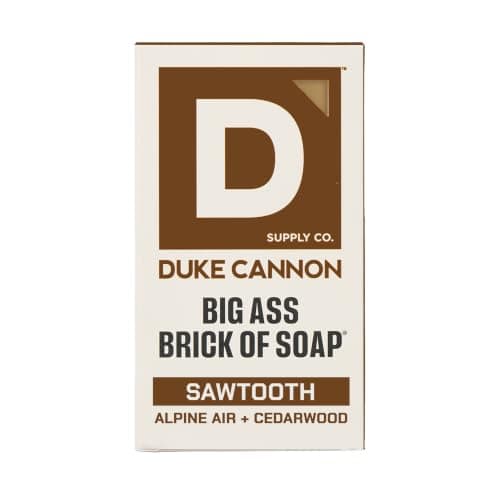 Duke Cannon Big Ass Brick of SoapGets used up entirely, and the packaging does the giftingUnder $25 | A consumable that is still clearly a present | $7.99 View on Amazon #ad How this is funded · Price as of October 17, 2026 |
| 2 | 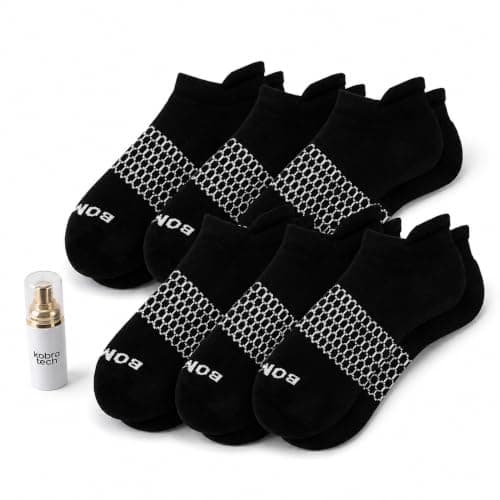 Bombas ankle socks, six pairsA straight swap for socks already in the drawerUnder $50 | Replacing something worn out that they will not replace | |
| 3 | 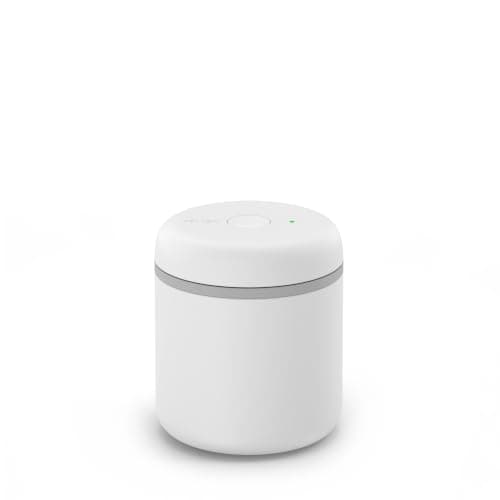 Fellow Atmos vacuum canisterImproves coffee they already buy, whatever their methodUnder $50 | A coffee drinker, without changing how they make it | $34.95 View on Amazon #ad How this is funded · Price as of October 17, 2026 |
| 4 | 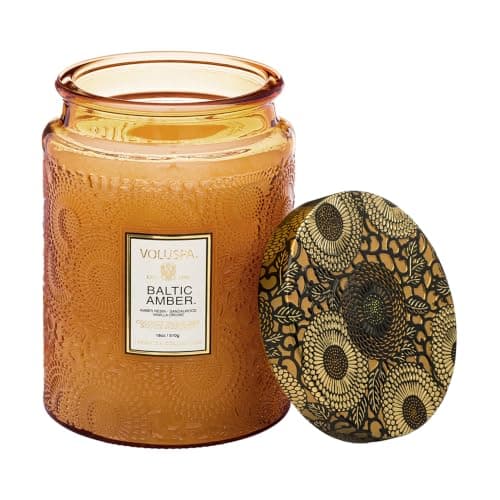 Voluspa candleBurns away to nothing, in a jar worth keepingUnder $50 | The safe consumable, if you know very little | $38.00 View on Amazon #ad How this is funded · Price as of October 17, 2026 |
We have not handled these products. Nobody here has worn, tested or owned them, and we will not pretend otherwise. What we do is check that each pick is still sold, still holds up and still makes sense as a gift at this budget. How we choose.
What to buy, if you have decided
Duke Cannon Big Ass Brick of Soap
Duke Cannon
An oversized triple-milled soap bar in strong scents, with packaging that does most of the gifting work.
The pick that is a genuine present and leaves nothing behind, which is the exact brief. An oversized triple-milled soap bar in strong scents, with packaging that does most of the gifting work — and the packaging genuinely is funny, which solves the other half of the problem: a consumable gift can read as thin, and this one does not. Triple-milled matters because the bar is denser than a standard soap and lasts considerably longer, so it is not a gift that vanishes in a fortnight, and in a few months it is gone entirely with nothing left to store, display or feel guilty about. It is also cheap enough to pair with something else from this page without the total becoming an imposition, which matters for a recipient who objects to being spent on. Two honest points. The scents are strong and a matter of taste, so pick a plain one rather than the most characterful if you are unsure. And the bar is too large for a small soap dish, which is a real if slightly comic problem.
What is good
- Genuinely funny packaging, which is half of a stocking gift's job
- Triple-milled, so the bar lasts much longer than a standard one
- Cheap enough to add to any other gift
What to know
- Strong scents are a matter of taste
- Too big for a small soap dish
#ad How this is funded · Price as of October 17, 2026
Bombas ankle socks, six pairs
Bombas
A six-pair box of cushioned ankle socks with a reinforced heel and toe, sold under a one-pair-donated model.
The pick that is a replacement rather than an addition, which is the second of the three strategies and the most reliable. A six-pair box of cushioned ankle socks with a reinforced heel and toe, and the reason it works for this recipient is that socks already exist in their house — these simply replace worse ones, so the net object count does not change and nothing new needs a home. They also happen to be the rare socks people notice and then re-buy for themselves, which is the best outcome available for any clothing gift. Sizing is forgiving, so this is clothing with almost no risk of being wrong, and a box of six is substantial enough to be a present rather than a stopgap. Two honest points. They are expensive per pair next to a supermarket multipack, and somebody who does not care about socks will not see the difference. And this is a supporting gift rather than a headline one — pair it with the soap or the coffee gear above and below.
What is good
- The rare socks people notice and then re-buy themselves
- The donation model gives the gift a story to tell
- Forgiving sizing
What to know
- Expensive per pair
- A supporting gift rather than a main one
Fellow Atmos vacuum canister
Fellow
A coffee storage canister with a twist lid that pulls a vacuum, slowing the staling of ground or whole-bean coffee.
The pick for the specific and common case of a coffee drinker who does not want more kit. A coffee storage canister with a twist lid that pulls a vacuum, slowing the staling of ground or whole-bean coffee, and the thing that makes it right here is that it works for every coffee drinker regardless of how they brew — it does not ask them to change their method, learn a technique or find counter space for a new machine. It improves the coffee they are already buying, which is a very different proposition from suggesting they should be buying different coffee or making it differently. Twisting the lid is satisfying enough that people actually use it rather than leaving it in a cupboard, and it is good-looking enough to live on a counter and replace the bag it is standing next to. Two honest points. It holds about a bag at a time, so a heavy drinker may want the larger size. And it slows staling rather than stopping it, which is not the same as buying fresher coffee more often.
What is good
- Works for every coffee drinker regardless of how they brew, which makes it the safest coffee gift there is
- Twisting the lid is satisfying enough that people actually use it
- Good-looking enough to live on a counter
What to know
- Holds about a bag at a time
- Does not replace buying fresher coffee more often
#ad How this is funded · Price as of October 17, 2026
Voluspa candle
Voluspa
A coconut-wax candle in a decorative jar, sold in a wide range of scents and sizes.
The pick when you know almost nothing about them and need something that is certainly consumed. A coconut-wax candle in a decorative jar, sold in a wide range of scents and sizes, and its qualifications here are straightforward: it burns away to nothing, and the jar that remains is attractive enough to be kept and used rather than being another object to deal with. Coconut wax burns cleaner and more evenly than cheap paraffin, so it does not tunnel down the middle and leave two thirds of the jar unburnt, which is the usual fate of a budget candle. It is a dependable gift for somebody whose taste you do not know well, and for a recipient who has asked for nothing it reads as a gesture rather than an acquisition. Two honest points, and the second is specific to this recipient. Scent is entirely personal, so choose citrus or something woody over a heavy floral if unsure. And candles are the most common gift of all, so check they are not already drowning in them — this is a real risk with somebody who has said they want nothing and gets candles anyway.
What is good
- The jar is attractive enough that it stays out after the candle is gone
- Coconut wax burns cleaner and more evenly than cheap paraffin
- A dependable gift for someone whose taste you do not know well
What to know
- Scent is entirely personal — choose citrus or wood over floral if unsure
- Candles are a repeat gift, so check they are not drowning in them
#ad How this is funded · Price as of October 17, 2026
If your budget flexes
Everything on this page respects the ceiling in the title. Nothing here needs you to spend more — but if the number moves, these are the neighboring lists.
Not wanting anything is not the same as having everything
These two phrases get used interchangeably and they point at opposite solutions, which is why so much advice in this area is useless. It is worth separating them properly before deciding anything.
| They say | The actual problem | What works |
|---|---|---|
| I have everything | Supply. They own the standard version | Something novel, or a better version |
| I don't want anything | Consent. Acquisitions are unwelcome | Consumables, replacements, or time |
| Don't spend money on me | Reciprocity. They feel indebted | Something modest, or something shared |
| I'm trying to declutter | Space. Objects are the problem | Consumables only, or nothing at all |
Work out which row you are in before shopping. Most of the bad outcomes in this category come from treating a consent problem as a supply problem — buying a cleverer object for somebody who was asking for fewer objects, and then being hurt that it did not land.
The three strategies that work
Everything that succeeds with this recipient falls into one of three groups, and naming them makes the shopping easy.
- Consumables. Anything that gets used up and leaves nothing behind: good soap, good coffee, a candle, food, drink. These are received as a gesture rather than as an acquisition, which is exactly the distinction the recipient was drawing.
- Replacements. A better version of something that already exists in their house and is worn out: socks, a wallet with a split seam, a tired kitchen tool, a towel. The net object count stays the same, so nothing new needs a home.
- Time and service. A specific task done, a meal cooked, a journey driven, an afternoon of something together. Costs nothing in objects and is routinely the answer people remember years later.
The second strategy needs a little observation and it is the strongest of the three. Nobody who has told you they want nothing will object to a replacement for the thing they have been meaning to replace for two years, because it is not an addition — it is a small act of attention, which is the thing they actually could not ask for.
What never to do
Do not buy a large, expensive, permanent object anyway, on the theory that they will love it once they see it. This is the one genuine mistake available here, and it is common because it feels generous. From the recipient's side it reads as not having been listened to, and the larger and more expensive the object, the harder it is to decline, store or pass on without guilt.
Two smaller things to avoid as well. Do not give something that creates a chore — a plant that needs watering, an appliance that needs cleaning, a subscription that needs managing. And do not give something that implies a project: a planner, a gym membership, a self-improvement book. Somebody who said they want nothing is unlikely to want homework.
When the right answer is to give nothing
Sometimes they meant it literally, and this is worth taking seriously rather than treating as politeness to be worked around. Somebody actively decluttering, somebody in a small home, somebody who finds gift exchange stressful, or somebody who has recently said it more than once — all of those are people for whom the kindest answer is to respect the request.
If you go that way, say something rather than nothing, because silence reads as forgetting. A note, a message, or a specific offer — dinner on a date you name, a job you will do, an afternoon you have cleared — covers the occasion completely and gives them nothing to find space for. The point of a gift is that somebody was thought about, and a named offer does that as well as an object does.
One practical variant: if you are in a reciprocal gift arrangement and want out of it, say so before the occasion rather than at it. Turning up empty-handed without warning puts the other person in an awkward position, which is the opposite of the intention.
How we put this guide together
This page is a framework rather than a product test, and the three strategies above are an editorial judgement argued from the distinction between a supply problem and a consent problem. We have not tested the items named; everything stated about each one — materials, capacity, how it is made — comes from the manufacturer's description and the live listing. Each pick is here because it is consumed or because it replaces something, not because it scored well on anything.
No price is typed into this page. The number inside each buy button comes from Amazon's live listing with the date it was read, so it goes out of date by disappearing rather than by being wrong.
Questions buyers ask
What do you get someone who doesn't want anything?
Something that gets used up, or something that replaces a worn-out version of a thing they already own. Good soap, good coffee, good socks. A person saying they want nothing usually means they do not want another object in the house, not that they want nothing from you.
Is not wanting anything the same as having everything?
No, and conflating them causes most of the bad outcomes here. Having everything is a supply problem, solved by something novel or better. Not wanting anything is a consent problem, solved by consumables, replacements or time. A clever object for the second person ignores what they said.
Should you buy a gift for someone who says not to?
Something small and consumable, usually. If they have said it more than once, are actively decluttering, or find gift exchange stressful, take it literally — but say something rather than nothing, because silence reads as forgetting. A named offer covers the occasion.
What is a good gift for someone who is decluttering?
Consumables only, or nothing at all. Food, drink, soap, a candle, coffee — things that are gone in weeks. Avoid anything permanent, however tasteful, because the whole project they are engaged in is reducing the number of permanent things in the house.
What should you not buy someone who wants nothing?
A large, expensive, permanent object bought anyway on the theory they will love it. It reads as not having been listened to, and the bigger it is the harder it is to decline or pass on without guilt. Also avoid anything that creates a chore or implies a project.
What can you give instead of a gift?
A specific offer: dinner on a date you name, a job you will do, an afternoon you have cleared. The word that matters is specific — a vague offer of help makes them manage you, which is work rather than a present.
Read next
- How much should you spend on a gift?
The other half of this problem, when they said not to spend.
- Gifts for men who have everything
The supply problem, not the consent problem.
- Gifts for women who have everything
The same, on the other side.
- Best budget accessories
Where to look for a modest replacement gift.
- Best self-care gifts
Mostly consumable, and read as rest rather than acquisition.
- Gifts for coffee lovers
The most consumable category there is.