How Many Sunglasses Should I Own?
Two. One good pair you like, one cheap pair you can afford to lose.

Two pairs, for most people. One pair you actually like and would be annoyed to lose, kept somewhere consistent and worn when you have chosen what you are wearing. And one cheap polarized pair that lives in the car, the bag or the jacket pocket, which is the pair that does most of the work — because the sunglasses that get worn are the ones that are already with you, not the ones in a case at home.
That split exists because sunglasses have two jobs that pull in opposite directions. One is optical: cutting glare so you can see, which is the pair you want on a bright road or on water. The other is how you look, which is the pair you want in a photograph. A single pair can do both, but then losing it is expensive and leaving it at home means doing without, and both happen constantly.
A third pair earns its place if you do a sport where glasses move around, and a fourth if you drive a lot and want a dedicated pair in the car. Beyond four you are collecting rather than covering a need, which is a fine thing to do but is no longer answerable by this question. Below is each pair in the rotation, which pick covers it, and the two things worth spending on rather than a fourth frame.
How this page is funded: if you buy through a link here we may earn a commission, at no extra cost to you. It never decides what makes a list or what order the picks are in. Full disclosure.
Quick picks
The whole list at a glance. Tap any row to jump to the full write-up further down the page, or go straight to the listing.
| # | Product | Best for | Price |
|---|---|---|---|
| 1 | 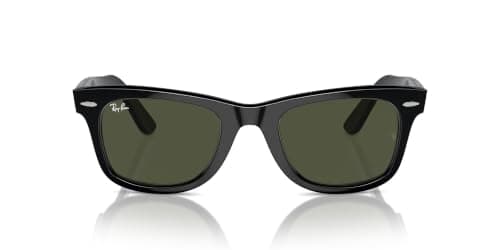 Ray-Ban WayfarerThe most universally flattering of the well-known framesUnder $250 | The good pair, if you only buy one | $191.00 View on Amazon #ad How this is funded · Price as of October 17, 2026 |
| 2 | 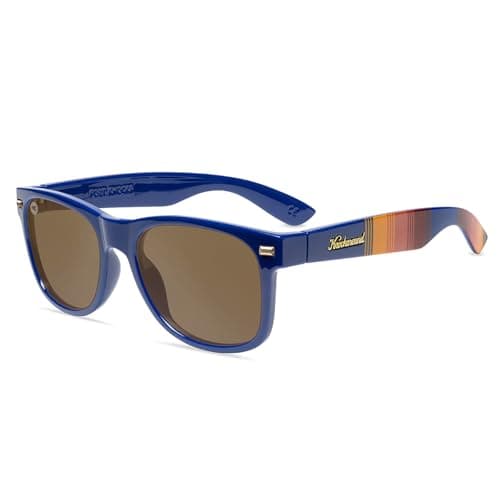 Knockaround Fort KnocksPolarized, in a shape that suits most faces, cheap enough to loseUnder $50 | The losable pair, which does most of the work | $35.00 View on Amazon #ad How this is funded · Price as of October 17, 2026 |
| 3 | 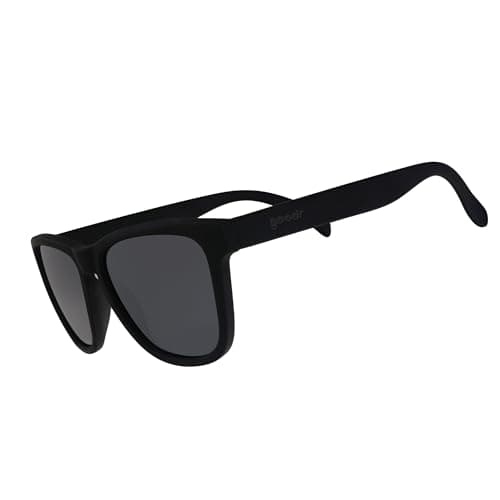 goodr OG sunglassesThey genuinely do not slide when running, which was the design briefUnder $50 | The third pair, if you run, cycle or hike | $30.00 View on Amazon #ad How this is funded · Price as of October 17, 2026 |
| 4 | 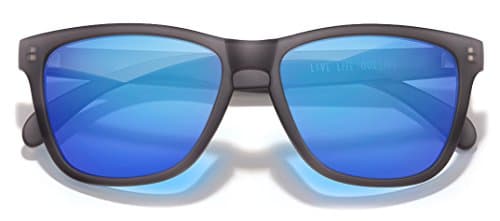 Sunski HeadlandFlexible temples and a lifetime warranty, kind to a larger faceUnder $100 | The fourth pair, or the first one if frames usually pinch | $58.00 View on Amazon #ad How this is funded · Price as of October 17, 2026 |
We have not handled these products. Nobody here has worn, tested or owned them, and we will not pretend otherwise. What we do is check that each pick is still sold, still holds up and still makes sense as a gift at this budget. How we choose.
What to buy, if you have decided
Ray-Ban Wayfarer
Ray-Ban
The classic thick-rimmed acetate frame, in original and new slightly slimmer shapes.
The pick for the pair you like, and the safest single choice if you are only buying one. The Wayfarer is the classic thick-rimmed acetate frame, sold in the original shape and in a slightly slimmer new version, and it is the most universally flattering of the well-known frames — which is exactly what you want from the pair that has to work in photographs and across a whole wardrobe. Acetate also takes knocks better than thin metal: a frame that gets dropped and sat on is better off with some material in it. The New Wayfarer runs smaller than the original, which matters if the face is on the narrower side, so it is worth checking which version a listing is showing. Two honest points. Acetate is heavier on the nose than a metal frame, which a few people find tiring over a long day. And it is common enough that the recipient may already own a pair, which is worth establishing before buying.
What is good
- The most universally flattering of the well-known frames
- Acetate frames take knocks better than thin metal
- The New Wayfarer runs smaller, which helps a narrower face
What to know
- Heavier on the nose than a metal frame
- Common enough that the recipient may already own a pair
#ad How this is funded · Price as of October 17, 2026
Knockaround Fort Knocks
Knockaround
Polarized sunglasses in a classic square frame, sold direct at a fraction of designer prices.
The pick for the second pair, and the one most people under-rate. Polarized sunglasses in a classic square frame, sold direct at a fraction of designer prices, and the entire argument is that polarization — the feature that actually matters optically — arrives here at a price where losing a pair is annoying rather than painful. That changes behavior: a cheap polarized pair lives in the car and the bag and gets worn constantly, where an expensive pair gets left at home for safekeeping and does nothing. The square shape suits most faces, which makes it a safer guess than aviators when buying for somebody else, and the wide color range means it can be matched rather than guessed. Two honest points. Plastic frames feel light rather than luxurious, which is the trade and is fine for this role. And there is no prescription option, so anybody who needs correction needs a different answer.
What is good
- Polarized lenses at a price where losing them is annoying rather than painful
- The square shape suits most faces, which makes it a safer guess than aviators
- A wide color range, so they can be matched to a wardrobe
What to know
- Plastic frames feel light rather than luxurious
- No prescription option
#ad How this is funded · Price as of October 17, 2026
goodr OG sunglasses
goodr
Polarized, no-slip sunglasses designed for running, in deliberately loud colors.
The pick for the sports pair, and the one that earns a third frame rather than padding the rotation. Polarized, no-slip sunglasses designed for running, in deliberately loud colors, and the no-slip part is the whole point: they genuinely do not bounce or slide when running, which was the design brief and which nothing in the first two picks achieves. Anybody who has run in normal sunglasses knows the specific irritation of pushing them back up a sweaty nose every few minutes, and this is the pair that solves it. They are polarized and light enough to forget you are wearing them, and the bright colors and silly product names make them read as a fun gift rather than a technical purchase. Two honest points. The sporty look will not suit every wardrobe, so this is a third pair rather than a first one. And there is one frame size, so a very large or very small face may not get a good fit.
What is good
- They genuinely do not bounce or slide when running, which was the whole design brief
- Polarized and light enough to forget you are wearing them
- The bright colors and silly names make them read as a fun gift
What to know
- A sporty look that will not suit every wardrobe
- One frame size, so a very large or very small face may not fit well
#ad How this is funded · Price as of October 17, 2026
Sunski Headland
Sunski
Polarized sunglasses built from recycled resin, with flexible temples and a lifetime warranty.
The pick for anybody whose problem with sunglasses is fit rather than style, which is a larger group than the category admits. Polarized sunglasses built from recycled resin with flexible temples and a lifetime warranty, and the flexible temples are the feature worth buying: rigid frames pinch a larger face at the sides, which is the quiet reason some people assume they do not suit sunglasses when in fact they have only worn ones that were too narrow. A lifetime warranty at this price is unusual and makes this a sensible candidate for the car pair as well — a frame that gets replaced rather than re-bought changes the arithmetic on owning several. The recycled frame material is a genuine point of difference if that matters to the recipient. Two honest points. The range of shapes is limited next to the big brands, so there is less to choose from. And the lightweight build feels less substantial in the hand than acetate, which some people read as cheapness.
What is good
- Flexible temples make them comfortable on a larger face, where rigid frames pinch
- A lifetime warranty, which is unusual at this price
- Recycled frame material, if that matters to the recipient
What to know
- A limited range of shapes compared with the big brands
- Lightweight build feels less substantial than acetate
#ad How this is funded · Price as of October 17, 2026
If your budget flexes
Everything on this page respects the ceiling in the title. Nothing here needs you to spend more — but if the number moves, these are the neighboring lists.
The rotation, pair by pair
Here is the whole answer in a table. Most people need the first two rows and should stop there. The third and fourth are conditional on doing a specific thing rather than on having a bigger wardrobe.
| Pair | Role | Where it lives | Who needs it |
|---|---|---|---|
| One | The good pair you like | A case, somewhere consistent | Everybody |
| Two | The cheap polarized pair | The car, the bag, a jacket | Everybody |
| Three | Sport | The gym bag | Runners, cyclists, hikers |
| Four | Dedicated driving pair | The car, permanently | Heavy drivers only |
| Five or more | A collection | Various | Nobody, by necessity |
Why two and not one
Because of where they are, not because of what they are. A single pair of sunglasses is either with you or it is not, and on the days it is not you squint. The second pair exists to be in the place the first pair is not — the car door, the bottom of a bag, a coat pocket — and that is what turns sunglasses from an occasional accessory into something that is actually worn when it is needed.
The second reason is loss. Sunglasses are lost and broken more than any other accessory: left on tables, sat on, dropped in car parks. If your only pair is the expensive one, every loss is an event and every bright day carries a small anxiety about carrying them at all. A cheap polarized second pair removes that entirely, and the paradox is that the cheap pair ends up getting worn more.
What to spend on, and what not to
One feature is worth paying for and it is not the frame. Polarization cuts reflected glare off water, wet roads and car bonnets, and it is the difference between dark lenses and lenses that actually help you see. A cheap polarized pair outperforms an expensive unpolarized pair at the thing sunglasses are for.
After that, lens material is the real choice. Glass resists scratches better than plastic and is heavier; plastic is lighter and scratches more easily. If a pair is going to live loose in a bag, plastic and cheap is the right answer and scratches are a cost of doing business. If a pair is going to be looked after, glass lasts longer.
- Worth paying for: polarization, a frame that fits without pinching, and glass lenses on the pair you will keep.
- Not worth paying for: a designer name on the pair that lives in the car, mirrored finishes that scratch visibly, or a fourth frame when the first three are not being worn.
- Worth buying instead of another frame: a hard case for the good pair, and a microfiber cloth that lives with them.
How many is too many?
Functionally, four. Beyond a good pair, a losable pair, a sports pair and a car pair, every additional frame is covering a want rather than a gap, which is fine but is a different question. The practical test is simpler than counting: if a pair has not been worn in a full summer, it is not part of the rotation, it is storage.
There is also a real cost to owning too many, and it is not money. Sunglasses degrade whether they are worn or not — lens coatings scratch, hinges loosen, plastic frames relax — so a drawer of six pairs is mostly a drawer of pairs quietly going off. Two or three in use outlast six in rotation.
If you are buying sunglasses as a gift
Buy the losable pair rather than the good one. The good pair is a personal choice about a face, and buying it for somebody else is a high-risk guess even when you know them well — frames interact with face shape in ways that are hard to predict from a photograph, and the gift either lands beautifully or is quietly never worn.
A cheap polarized pair in a square frame is the low-risk version of the same gift. It suits most faces, it fills a real gap in most people's rotation, and if it is wrong it was not expensive. If you want to spend more, spend it on a case, a strap or a second lens tint rather than on a pricier frame you are guessing at.
How we put this guide together
We have not tested the sunglasses named above, and there is no testing lab behind this site. Everything stated about each pair — polarization, frame material, temple flexibility, sizing and warranty terms — comes from the manufacturer's description and the live listing. The two-pair recommendation is an editorial judgement about where sunglasses are kept and how often they are lost, argued above rather than asserted.
No price is typed into this page. The number inside each buy button comes from Amazon's live listing with the date it was read, so it goes out of date by disappearing rather than by being wrong.
Questions buyers ask
How many sunglasses should I own?
Two. One pair you actually like, kept in a case somewhere consistent, and one cheap polarized pair that lives in the car or a bag. The second pair does most of the work, because the sunglasses that get worn are the ones already with you.
How many pairs of sunglasses does a man need?
The same two. Add a third pair only if you run, cycle or hike, where a no-slip sports frame solves a problem normal sunglasses do not. A fourth dedicated car pair makes sense for heavy drivers and nobody else.
Is it worth having more than one pair of sunglasses?
Yes, and for a practical reason rather than a style one: a single pair is either with you or it is not. A second cheap pair living somewhere different means you have sunglasses on the days you forgot the good ones, which is most days.
What should I spend money on when buying sunglasses?
Polarization first — it cuts glare off water and roads, and a cheap polarized pair outperforms an expensive unpolarized one at the job. After that, a frame that fits without pinching, and glass lenses on the pair you intend to keep.
How many sunglasses is too many?
More than about four, because beyond that you are covering wants rather than gaps. The practical test is whether a pair has been worn in a full summer. Sunglasses also degrade in a drawer — coatings scratch and hinges loosen — so two in use outlast six in storage.
Should I buy sunglasses as a gift?
Buy the cheap losable pair, not the good one. Frames interact with a face in ways that are hard to guess, so an expensive frame is a high-risk present. A polarized square frame suits most faces and fills a real gap in nearly everybody's rotation.
Read next
- What size sunglasses do I need?
The fit numbers, once you know how many pairs you want.
- Best sunglasses gifts under $100
The category ranked, with a ceiling.
- Do you need polarized sunglasses?
The one feature worth paying for, argued properly.
- Are sunglasses a good gift?
Worth reading before buying a frame for somebody else.
- Best sunglasses for fishing
Where polarization stops being optional.
- Best budget accessories
Where the losable pair comes from.